
HOME | ABOUT US | MEDIA KIT | CONTACT US | INQUIRE
HOME | ABOUT US | MEDIA KIT | CONTACT US | INQUIRE
What Medical Expertise Looks Like in Practice
A child’s development. A parent’s failing heart. An injury that threatens someone’s ability to work, or a diagnosis that puts years of family plans in doubt. Across this year’s class of Ingram’s Top Doctors, the conditions differ widely. The stakes are personal in every case.
The physicians recognized in these pages represent a range of expertise that patients rarely have reason to consider…until they need it. Their work begins, in some cases, before an ambulance reaches the hospital or a patient is admitted. Elsewhere, it unfolds through a relationship built over years, as a doctor follows a child’s progress, manages a chronic illness or helps a patient weigh the risks of surgery. It encompasses preserving sight, restoring mobility, treating cancer or addressing mental-health needs that can disrupt every part of a person’s life.
Their accounts also reveal the judgment behind that care. Advances in imaging, medications and surgical techniques give physicians more ways to help. Choosing among them requires understanding the evidence and the person who will live with the result. Sometimes the right course is a demanding operation; sometimes it is another approach that allows a patient to avoid one. Explaining those choices, listening to concerns and setting realistic expectations are part of the work.
The outcomes these doctors value give that work its meaning: a return to the farm or workshop, time with grandchildren, the ability to walk without help, or relief from symptoms that have narrowed a person’s world. Even when medicine cannot deliver the recovery someone hopes for, a clear explanation and a physician’s continued commitment can help patients and families face what comes next.
That breadth of care is an important part of this region’s quality of life. It supports people’s ability to earn a living, raise children, remain independent and participate in their communities. It also gives families access to specialized expertise when ordinary life takes an unexpected turn.
Taken together, our Top Doctors this year, as their predecessors have for 30 years now, offer a view of what that expertise means in practice. The individual achievements merit recognition. Their larger value lies in the lives patients are able to lead because of them.
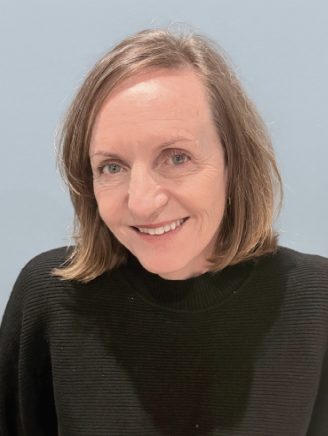 Allison Anderson, Vibrant Health
Emergency department staffers believed a virus caused the child’s two-week fever. Allison Anderson could not let the case rest. Pediatricians often care for patients too young to explain what hurts or how an illness feels, so they develop an eye for what laboratory results may not yet show. This child simply did not look right. Anderson had already worried that the symptoms might signal leukemia, and when the hospital sent him home, she asked the family to return the following morning. At the time, Vibrant Health did not have the laboratory resources she needed, so she directed them to an outside lab. The abnormal results sent the child back to the hospital, where leukemia was confirmed and successfully treated. “I felt good about being persistent,” Anderson says, looking back. It is a restrained description of the judgment that shaped a career in Kansas City pediatrics: gather facts, look closely, listen for what has not been said and keep pressing when the pieces do not fit. Anderson grew up in Paola and was drawn first to science rather than medicine. She considered becoming a microbiology professor until an undergraduate course in pathogenic bacteriology introduced her to the development, transmission and effects of disease. Medicine offered a way to apply that fascination. Pediatrics and internal medicine both interested her during training, but clinical rotations settled the choice. Children presented a diagnostic challenge she enjoyed, without the adult behaviors that can undermine health. Residency in the busy Children’s Mercy emergency department exposed her to nearly every kind of pediatric problem and taught her to remain ready for the unexpected. After two years on staff there, Anderson spent 23 years in private practice before deciding she wanted to understand the public health care system and serve a different patient population. At Vibrant, many of her patients came from immigrant families in Kansas City, Kan., carrying concerns that reached beyond the examination room—transportation, work schedules, cultural attitudes and uncertainty about mental-health care among them. Continuity made the difference. Anderson cared for cousins, aunts, uncles and siblings referred through family networks. “When a patient trusts the diagnosis and treatment, you don’t have to talk them into doing the best things,” she says. Trust also helped her read non-verbal cues and understand what a family might hesitate to disclose. Now retired and spending time volunteering, exercising, traveling and seeing friends, she describes her hoped-for legacy without embellishment: that families remember “good, conscientious care” and a physician who took time to listen. The child whose diagnosis required persistence is one expression of that legacy. So are the quieter outcomes spread through families who learned that their doctor would listen closely—and look again.
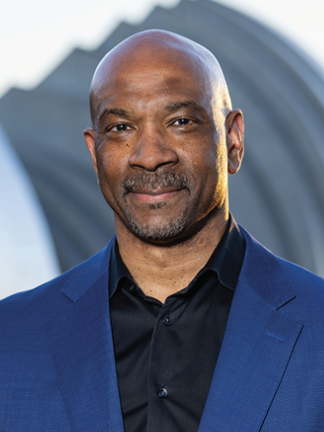 Carlos A. Bagley, Saint Luke’s Marion Bloch Neuroscience Institute
Long after the operation, the postcards kept coming. Carlos A. Bagley had taken on the case of an 82-year-old woman whose back problems had narrowed her world. Walking was difficult; traveling with her daughter, something they loved, had become impossible. The surgery she needed was substantial, and deciding whether to proceed required careful preparation and frank discussion of what she wanted from the years ahead. She came through it beautifully. Then Bagley began to see the tangible results of his work: images of the places she and her daughter could visit again. After the woman died, her daughter sent one final card, thanking him for the time the procedure had restored to them. “The ability to help someone with those types of procedures we do, to restore their quality of life—those things are why I do it,” Bagley says. “They keep you excited about the work.” That sense of possibility first took hold in a Duke neurobiology class. A professor stood beside a giant dictionary and told students that the chemical reactions and synaptic connections required merely to wiggle a thumb could not fit inside that tome. “How something so small was still so complex, and yet how little we understood about that, was beyond exciting,” Bagley recalls. “Neurosurgery, the human brain, really is the last frontier.” Medicine itself had always seemed a natural destination. His mother and grandmother were nurses, and he cannot remember wanting to do anything else. Spine surgery came later, during his Johns Hopkins residency, when he assisted on an extraordinarily complex tumor operation. Afterward, he approached the surgeon: “I don’t know how you did what you did, but I want to be able to do that. Show me the way.” Today, as neurosurgery department chairman and a leader of Saint Luke’s Marion Bloch Neuroscience Institute, Bagley brings the same directness to decisions with patients. Modern surgery can accomplish extraordinary things, he says, but capability alone does not answer the question of whether an operation is right. Images, risks and physical condition matter; so do the patient’s goals. Sometimes the most responsible decision is not to operate. “The hardest thing to do as a surgeon is put hands on a patient,” he says. “You have to cause some level of harm in order to heal.” His years playing football at Duke still inform the way he prepares: study the case, establish a strategy, build contingencies and adjust during execution. He teaches residents never to rely on Plan A alone, because trouble can accelerate quickly. That preparation supports a larger ambition for Saint Luke’s: expanding the depth and breadth of neuroscience services so patients across Kansas City and the Midwest can receive advanced care closer to their families.
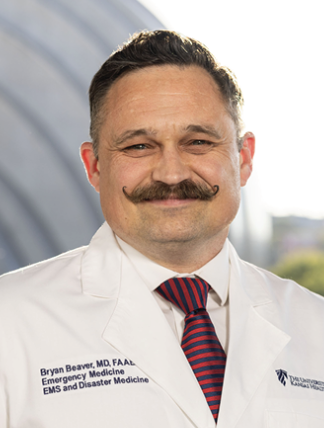 Bryan Beaver, The University of Kansas Hospital
In the emergency room of the city’s biggest hospital, the time Bryan Beaver has to get acquainted with a patient can be measured in minutes. Yet that is enough, he says, to make a connection that matters. Whether he is working in the ER at the scene of an emergency, the circumstances may be among the worst that his patient has ever experienced. His responsibility begins with delivering the best care he can, but it includes making sure the person receiving it feels that connection. It is a standard he carries beyond his own patients at the hospital. As a physician directing EMS for Johnson County and training other physicians in that work, Beaver helps shape the care people receive before they ever reach a hospital. The setting requires its own expertise. Equipment, surroundings and the circumstances of treatment differ from those inside an emergency department, and physicians overseeing that care must understand the differences. “The out-of-hospital environment is unique, and what may work in the hospital often does not work the same outside the hospital doors,” he says. For Beaver, improving those first encounters extends the reach of a medical career: Training and equipping EMS clinicians to deliver better care can affect thousands of patients. That interest took hold long before he could explain the workings of an emergency medical system. Growing up in southeast Kansas, he watched Rescue 911, his favorite television show, and recognized something he wanted to do. “I knew early on I wanted to help others in some of their greatest moments of need,” he says. Emergency medicine remained the goal through his medical education at the University of Kansas. He went to Wake Forest University in North Carolina for an emergency-medicine residency and a fellowship in EMS and disaster medicine, then stayed on the faculty for several years. The opportunity to return in 2020 brought professional purpose together with the pull of home. He came back to establish what he describes as the region’s first EMS fellowship at KU, helping develop the physicians who would advance that work. The specialty suits his appetite for acute care and the demands of treating people of different ages with different conditions at the same time. It also puts him close to medicine’s limits. The pandemic brought those limits into painful focus. “Forever I will hold with me all the patients we lost,” he says. “We all go into this to save lives and yet, sometimes even with our best efforts, we still lose patients.” Directing an EMS system means weighing medical evidence, preparing clinicians and ensuring that care begins well before the hospital entrance, and he says that teaching other physicians gives that effort a reach beyond any one shift or patient encounter.
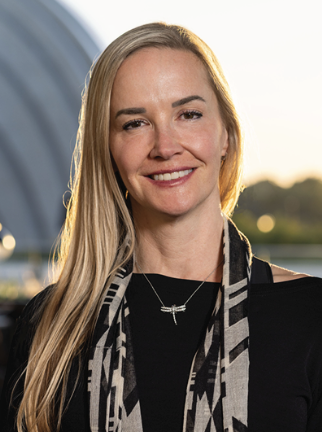 Molly Black, Research Medical Center
The Iraq veteran had already seen several doctors when Molly Black became involved in his care. A bomb had struck his Humvee years earlier, costing him three limbs. What he needed now began with someone willing to listen. His remaining leg segments were different lengths, a problem that required revision surgery. Black worked with a prosthetist willing to help find a solution, and together their efforts helped him regain some mobility. For the orthopedic trauma surgeon at Research, that outcome speaks directly to the reasons she chose her specialty. “With orthopedic trauma, when I’m reassembling broken people, I can help get people back to their quality of life,” she says. Surgery had been her destination even before she entered KU’s School of Medicine. Orthopedics became the particular calling during her fourth year, when she discovered the satisfaction of helping people recover the physical abilities that shape daily life. In her family, she had already seen the value of a career spent helping others. Her grandfather practiced general surgery in Wichita for 38 years, and she grew up hearing about the people he helped in Kansas and in developing countries he and her grandmother repeatedly visited. Their example made service a familiar part of the world she knew. Another influence came in the basement of the family’s Coffeyville home, where Black remembers sewing with her mother. “you can be anything you want to be Molly,” her mother told her. That was in the 1970s, Black recalls, and the encouragement was enough. Later, during her orthopedic surgery residency at KU-Wichita, Bruce Buhr gave professional substance to that early confidence. The orthopedic traumatologist and generalist took time to mentor her, showing her an ethical approach to practice and a commitment to patients in dire circumstances. His example helped confirm that trauma was the right fit. It remains a field in which the ability to repair an injury meets the demands of the person living with it. For Black, listening and advocacy belong in that work alongside surgical skill. “I know the day has been worth it when I have made someone feel advocated for, better, heard, or loved,” she says. Age-related conditions bring patients to her every week, and osteoporosis is a particular concern. Her assessment of age reflects those experiences: “I’ve met some VERY old people in their 30’s and some VERY young people in their 90s and 100s.” The Coffeyville native, who grew up in Wichita, found another kind of continuity in returning to Kansas City, where her work gives her a chance to carry forward the example she inherited from her grandparents. As she puts it: “What an honor to get to do this for a living.”
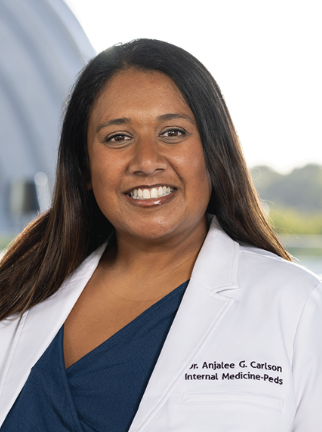 Anjalee Carlson, The University of Kansas Health System-Olathe
Anjalee Carlson’s idea of a good day at work can encompass several generations of one family. There is the joy surrounding a newborn, a mother’s need for postpartum care, a father concerned about his cardiovascular health and a grandmother facing kidney problems. Each brings different medical needs and personal goals to a physician trained to care for all of them. “I treat infants, adults and the elderly to help them achieve the goals that they want,” Carlson says. “That’s a great day at the office.” Her work in internal medicine and pediatrics gives her a view of health across a lifetime. Leadership responsibilities have extended that view to the systems supporting care, including the electronic records physicians use during those individual encounters. The two areas of practice come together in a career that connects direct patient care with efforts to improve the conditions under which colleagues deliver it. Carlson joined the Internal Medicine and Pediatrics–Hedge Lane practice in 2018, following a position with Banner Health in Colorado, where she also served as vice chair of pediatrics. In Olathe, she cared for patients in both hospital and outpatient settings and helped launch the hospital’s palliative care program. The work brought her into care at different stages of illness as well as different stages of life. Colleagues say she finds satisfaction in both those personal encounters and the technology that can improve them. Named chief medical information officer for Olathe and Paola hospitals and affiliated care locations in 2021, she took on the task of helping electronic health records better serve the physicians using them. The objective was practical: give providers tools that help them focus on their patients. That responsibility became particularly important as the hospitals and their care locations adopted a new electronic health record in 2023, during Olathe Health’s integration into The University of Kansas Health System. Officials say she played a pivotal role in that transition. She earned her medical degree from Kansas City University of Medicine and Biosciences in 2011, then completed her internal medicine and pediatrics residency at the University of Kansas School of Medicine–Wichita in 2015. Those years of training established the breadth of care that remains central to her practice. Her subsequent leadership work has added responsibilities for the experience of other physicians and their patients. In 2023, she was named physician executive, bringing a physician’s perspective to health system leadership. She also serves as Olathe Hospital’s chief of staff, a liaison between the medical staff and administration, and participates in ethics, medical executive and mortality review committees, roles that place her in discussions about both the organization of care and the difficult judgments required.
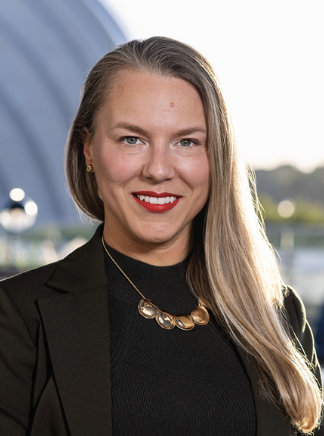 Shannon Carpenter, The Bone Health Clinic
For Shannon Carpenter, some of medicine’s best outcomes are events that never occur: the wrist that does not break, the hip fracture that never leads to further decline, the fall that does not take away a patient’s independence. “The cases I still think about are the ones where nothing happened,” she says. That is a striking perspective for an orthopedic surgeon trained to repair visible damage. In a conventional orthopedic visit, Carpenter says, the fracture is set, plated or replaced, and the patient goes home. Too often, no one asks why the bone broke. A wrist fracture after a simple fall may be osteoporosis announcing itself, but patients can leave without a bone-density test, a broader workup or a plan to prevent the next break. Carpenter kept seeing some return with fractures of the hip or spine. “The fracture gets treated, but the underlying disease process in the bone doesn’t,” she says. “I knew that second fracture could have been prevented.” Her response was to shift the center of her work from repair to prevention. In 2022, she opened The Bone Health Clinic in Lenexa, creating the practice she had wished existed for her surgical patients. There, she can examine the complete picture—medical history, medications, nutrition, laboratory results, family history and fall risk—and follow patients over years instead of weeks. “I can prevent the fracture instead of just fixing it,” Carpenter says. “With my bone-health patients, I feel like I’m saving lives, not just lifestyles.” The path feels consistent with an ambition formed remarkably early. Her mother was a pediatric nurse at Le Bonheur Children’s Hospital in Memphis, and Carpenter spent childhood sick days or school breaks around the pediatric floor. She explored her mother’s anatomy books and, by fifth grade, had memorized every bone in the body. A broken ankle from cheerleading at 13 introduced her to an orthopedic surgeon and clarified the future: “I always felt like I was born to be an orthopedic surgeon.” Her husband, Eric, later helped her imagine practicing beyond the operating-room model. Watching him build painting and home-construction businesses taught her the demands of entrepreneurship. He encouraged the clinic concept and supported her through the uncertainty of launching it. The pandemic accelerated another change: Telehealth proved especially useful for people with limited mobility or a schedule already crowded with medical appointments, while remote monitoring helped turn osteoporosis care into a continuous relationship rather than an annual check-in. “I know the day has been worth it,” she says, “when I meet a patient before their first fracture instead of after it, when someone walks in afraid of falling and walks out empowered with a plan.”
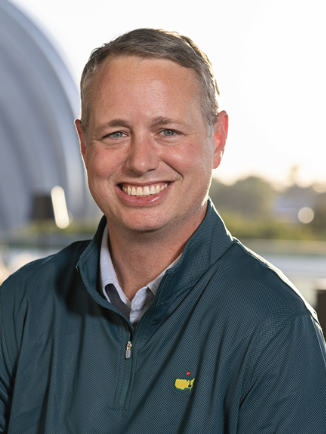 Matt Daggett, Sano Orthopedics
The conventional answer would have ended a high-school athlete’s senior season before it began. He tore his ACL in June, and reconstruction ordinarily would have required enough recovery time to keep him off the field. His parents, both health-care professionals, asked Matt Daggett to consider another possibility. The injury met a narrow set of criteria for repairing the native ligament rather than replacing it, so Daggett tried the less common approach. Bingo: The young man started every game and finished the season as a state champion. “It reinforced for me a few things: the impact we are blessed to potentially make on someone’s life, the need for individualized treatment options, and the role innovation has in medicine,” Daggett says. A decade later, he still thinks about the case—not as proof that every ACL tear should be repaired, but as a reminder that judgment matters more than a standard answer. “What is still hard is the judgment, not the incision,” he says. Which graft will hold? Who needs an operation at all? How do you tell someone that the treatment they want is not the treatment most likely to last? Those questions draw on a career spent testing assumptions. Born and raised in Kansas City, Daggett left for advanced training, studying sports medicine in Birmingham, Ala., with Larry Lemak, then shoulder surgery in Lyon, France, with Gilles Walch and knee ligament injuries with Bertrand Sonnery-Cottet. He returned home deliberately, drawn by family and the belief that Kansas City could become healthier. Orthopedics united two childhood interests: engineering and sports. It also offered an unusually visible progression from problem to repair to a life regained. Training overseas showed Daggett how much room remained to improve that progression. Sonnery-Cottet treated ligament surgery as a craft that must be measured continually, not a procedure to be repeated mechanically. He approached protection of the meniscus and the ACL graft as part of the same result, expanding Daggett’s idea of when the work was truly finished. Their collaboration helped produce the SANTI Group, an international alliance of surgeons working to improve prevention and treatment of increasingly common ACL injuries. Daggett brought the same appetite for redesign to the delivery system. He and his colleagues founded Sano in a small Lee’s Summit office in 2016, not simply to build a larger orthopedic practice, he says, but to preserve an independent, physician-led model. Its premise connects upstream prevention and wellness with individualized injury care and intervention when needed, avoiding the handoffs that can fragment treatment. As Sano’s president, Daggett now confronts the administrative barriers surrounding medicine as directly as the injuries themselves.
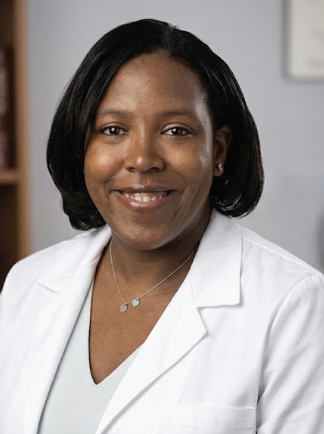 Demi Dawkins, Research Medical Center
The patient arrived almost unconscious, unable to speak and unable to move one side of the body. A major stroke had blocked blood flow to the brain, leaving Demi Dawkins and the endovascular team at Research in a race measured not simply in minutes, but in brain cells—roughly 2 million of them lost during each untreated minute. They guided instruments through an artery from the upper leg into the brain, removed the clot and restored circulation. Then, after being transferred to a hospital bed, the patient woke up and asked what everyone was doing. Within minutes, the patient was interacting again; within days, going home. “Seeing someone go from being nearly unresponsive to essentially themselves again in a matter of minutes is something that never gets old,” Dawkins says. Such cases helped draw her into endovascular neurosurgery, where anatomy, technology and technical precision converge at moments that can determine the shape of a patient’s remaining life. It was not a specialty she had mapped out. During medical-school rotations, she observed a neurosurgical procedure simply because she thought she might never have another chance. The operation captured her. Her mentor at East Carolina University, neurosurgeon Michael Sharts, then showed her both the excitement and demands of the field. He also delivered advice that mattered to a woman entering a male-dominated specialty: Do not allow anyone to intimidate you or make you question whether you belong. An earlier loss had supplied the underlying motivation. Dawkins was about 12 when her grandfather died of lung cancer. An uncle told her she might someday find a cure so others would not suffer as he had. She could not then understand the path or its complexity, but she understood the desire to help people through the hardest moments of their lives. That principle still governs choices that rarely have one universally correct answer. For an aneurysm, Dawkins weighs the patient’s age and health against the lesion’s size, shape and location, then compares open surgery with treatment through the blood vessels. The conversation includes not only procedural risks, but recovery, work, normal activities and the support waiting at home. “It’s about finding the right answer for that individual patient,” she says. “Informed decision-making means making sure patients and the people they choose to involve understand not only what we are recommending, but why.” Sometimes validation comes through an immediate recovery. Other times, it arrives later, as she and a surgical nurse or first assistant walk out exhausted, exchange a smile and recognize what their shared effort has given someone. “There’s something incredibly rewarding,” she says, “about being part of a team that has had the privilege of helping someone through a difficult moment in their life.”
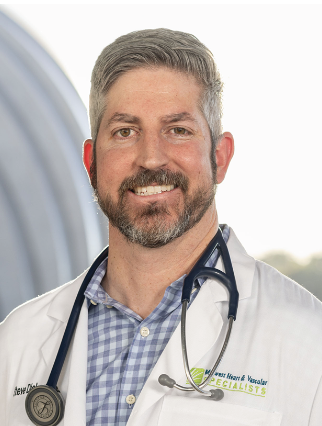 Steve Dickson, Centerpoint Medical Center
Three years ago, Steve Dickson treated a soybean farmer who could barely cover 50 feet without help. Heart failure had left him so short of breath that the work he loved was beyond his reach. Today, when he comes to Dickson’s clinic, he brings photographs of himself back in the fields, working in his shop or spending time with his grandchildren. Medications helped make that return possible. For the cardiologist, the pictures show what successful treatment means in the life of the person receiving it. “His recovery is everything,” Dickson says. That connection to people drew him from engineering into medicine, though he still puts his original field of study to use. “Cardiology is great because the heart is just one exquisite pump that’s always working, and my engineering background helped me understand that more intuitively,” he says. His mother, an ICU nurse, had shown him another dimension of the work long before college. He watched her care for sick people on nights, weekends and holidays, and the commitment stayed with him. “She really cared for people,” he says. At 19, he found a mentor who helped him see the relationship between scientific understanding and the ability to communicate it. John Watson, an engineer involved in developing mechanical artificial hearts, took Dickson under his wing. The lesson was to turn complicated details into simple concepts, something Dickson tries to do every day with patients in the hospital and his clinic. Watson also demonstrated that brilliance need not put someone out of reach. “He also taught me brilliant people can be down to earth,” Dickson says. That approach matters in a specialty with an expanding range of treatments and in a health-care system he describes as extremely difficult for patients to navigate. His responsibilities include helping them navigate that complexity. “It’s my job to be QB1 for my patients’ hearts,” he says. “There’s always work to be done.” A native of Stockton, Calif., a blue-collar community whose character he still appreciates, Dickson moved here with his wife, Dana, in 2020 to improve access to quality cardiology care in western Missouri. Since then, they have had two children, watched the Chiefs win two more Super Bowls and made Kansas City home. At Centerpoint, where he chairs the department of medicine, he finds a toughness and resilience in the people of western Missouri that resonate with him. The leadership role extends his responsibility beyond the patients he sees himself, as he advocates for access to physicians, facilities and care. He also credits the hospital’s internal medicine residency program with encouraging curiosity and improving the levels of care provided.
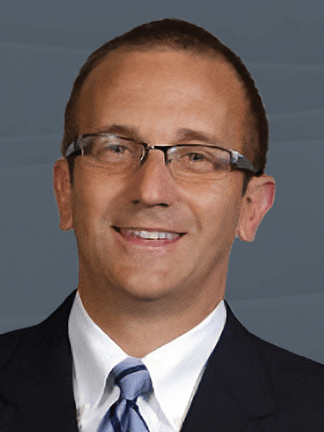 David Dyer, Retine Associates Kansas City
This is what long-term relationships look like in health care: Ophthalmologist David Dyer first saw one young patient when she was just a month old: born prematurely, with detached retinas in both eyes. He was tasked with her care. She’s 25 now, a college graduate with a job and good vision. The years between that surgery and a recent return visit gave the Retina Associates physician a particularly satisfying view of what his work can mean over a lifetime. “There is nothing more rewarding than seeing a patient that you have treated and have had a big impact on their life,” he says. He had learned much earlier what losing vision could mean. His grandfather had diabetes and suffered severe vision loss from diabetic retinopathy. Watching the damage that disease could do to both the body and sight helped draw Dyer toward ophthalmology and retina care. Today, he often meets patients at a moment when their vision is threatened and they need urgent treatment. Some are anxious or frightened. Others are angry, he says, their fear taking the form of a question: “Why me?” He begins by helping them understand what is happening. Cameras, topographical scanners and ultrasound images allow him to show patients the problem as he explains the eye’s anatomy, the retina’s role in sight and the treatment he proposes. The conversation helps establish what he can do, along with what he cannot promise. “The goal is to reassure the patient that you are going to do everything you can to help them,” Dyer says. Some of the hardest conversations concern damage that medicine cannot repair. He may have just met a patient when he has to explain that an injury cannot be fixed, a tumor removed or a detached retina repaired. Those discussions take time. They also require helping patients recognize what remains possible, including protecting an unaffected eye and adjusting to life with vision in one eye. “Medicine is not perfect and doctors are not perfect,” he says. That understanding is part of a commitment shaped during his internship at the Leavenworth VA Medical Center. A Northern Virginia native, he arrived in Kansas for medical school after a college friend persuaded him to consider KU. At the time, Dyer imagined farmland, tumbleweeds and few distractions from his studies. He attended KU’s School of Medicine from 1985 to 1989, left for residency and fellowship training, and returned in 1997. Raising a family here changed that early impression into an appreciation for Kansas City as a place to live and practice. “The best reward you can have as a doctor,” he says, “is when the patient sincerely says ‘Thank you for helping me.’”
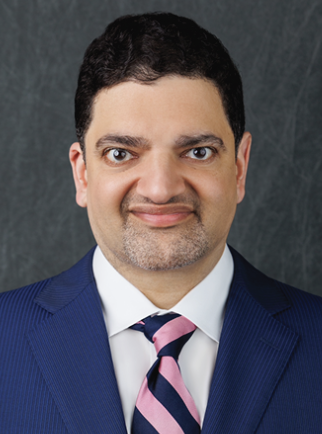 Irfan Handoo, Kansas City Psychiatry Partners
The first signs may be small enough that the patient misses them: A spouse notices his or her partner’s sleep is improving. Someone is eating again, showing more expression or moving through the day with energy that depression had taken away. For Irfan Handoo, those observations from family members are often the earliest evidence that treatment is reaching a person who may have stopped believing improvement was possible. “The spouse often can see improvement, even if the patient can’t yet,” he says. Handoo has built his psychiatry practice around patients with treatment-resistant depression, many of whom arrive after years of medications or earlier interventions which have failed. One patient had lived on disability for three decades, from age 25 to 55, after trying numerous medications, electroconvulsive therapy and a more superficial form of Transcranial Magnetic Stimulation. Deep TMS helped her to return to work and come off disability after 30 years. Another patient had been almost bedridden for a decade and later resumed full-time employment after IV ketamine treatments. Cases like those explain why he speaks about newer psychiatric treatments with urgency. Handoo developed his IV ketamine protocol in collaboration with Washington University Department of Psychiatry in St. Louis in 2016 and was the first doctor to start IV Ketamine Treatments in the Kansas City area, and the clinic offers Deep Transcranial Magnetic Stimulation, IV Ketamine Treatments, Spravato, an FDA-approved ketamine nasal treatment, and medication management. His practice has grown to become the largest TMS and Ketamine Clinic in the Kansas City area. Over a decade, Handoo has treated more than 1,000 patients with TMS and administered more than 8,000 IV ketamine treatments. Handoo grew up in the Kansas City area, attended Blue Valley North and completed undergraduate and medical education at UMKC before a psychiatry residency and fellowship in psychopharmacology at the University of Kansas School of Medicine-Wichita. Both parents are physicians—his father a radiologist and his mother a pediatrician—and modeled a career that joined science with service. Research and later clinical experience showed him how profoundly treatment could alter a patient’s life. He also saw medicine identify physical disease while overlooking the depression accompanying cancer, heart attacks, diabetes or high blood pressure. Treating that psychiatric burden, he says, can improve how patients manage the rest of their health. Since finishing residency in 2010, Handoo has increasingly concentrated on difficult-to-treat depression and interventional psychiatry, and is only the fourth psychiatrist to be selected across the 30-year history of Top Doctors.
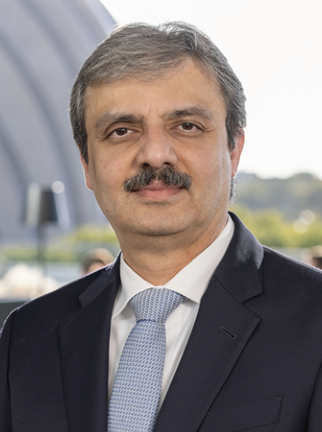 Mehmood Hashmi, Stormont Vail Health
Mehmood Hashmi remembers the scan, then the tears. His patient was a young mother with Stage IV melanoma, a diagnosis that historically carried a brutally short outlook. After four doses of a newer immunotherapy, she and her husband returned to review the results. Hashmi pulled up the images. The nodules in her lungs had disappeared. “Tears of joy—I saw in their eyes—I will never forget,” he says. That moment represents one side of oncology: science creating an outcome that would have been difficult to imagine a generation earlier. Hashmi’s definition of cancer care also embraces the other side, when remission is no longer available and medicine’s task becomes helping someone live toward a personal goal or die with peace and dignity. “To me, it is more important to be there on this journey, to walk along and make it easy for our fellow human beings,” he says. The conviction took form during his first residency rotation at the University of Oklahoma. A young woman was dying from leukemia after exhausting the limited treatments available 25 years ago. She retained a fierce desire to live as many months as possible for her three small children. Hashmi knew he might not be able to cure her, but he could accompany her through the fight. She and the patients who followed set his professional course. His path to that bedside began in Karachi, Pakistan, where he attended Dow Medical College. Medicine was familiar from childhood. His mother developed heart disease while still young, balancing repeated visits to a cardiac institute with selfless care for her family. Her cardiologist supplied more than treatment; he gave the family hope and strength. Three older siblings later entered medicine or related fields, reinforcing the example. Hashmi also credits his faith, his parents’ sacrifices and the continuing support of his sisters, wife and children for sustaining a life centered on service. Hashmi came to the U.S. seeking advanced training and research opportunities, then found his place serving Kansans. At the Topeka VA Medical Center, he was one of two physicians who helped establish a hospitalist program and quality initiatives. He continued prostate-cancer research at the Kansas City VA before entering the University of Kansas hematology-oncology fellowship. Stormont Vail offered an opportunity to bring that training back to Topeka and surrounding communities. Hashmi credits the physicians who built the cancer center’s foundation before him. A worthwhile day, he says, comes when a patient is able to attend a wedding, take a vacation, go to a relative’s graduation or simply find peace. “To me, this is what life is all about,” Hashmi says: “taking care of each other.”
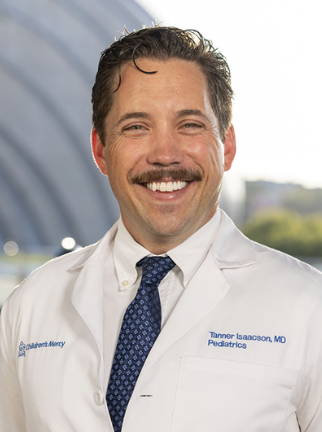 Tanner Isaacson, Pediatric Associates
Before Tanner Isaacson enters an examination room, he tries to wipe the slate clean. Behind one door may be parents absorbing news of a lifelong disability in their 4-month-old. Behind the next may be a family exhausted by a cold that has lingered for two weeks. The medical stakes differ dramatically, but Isaacson reminds himself that each concern may be the biggest problem in that family’s life that day. “You have to make a conscious effort to go into every encounter fresh and ready to receive it,” he says. “You can’t treat all patients the same.” The breadth of pediatrics is part of its appeal. A day may begin with hospital rounds on newborns, move to a 3-year-old struggling with toilet training and end with an 18-year-old disclosing depression. Isaacson at one point had considered surgery—one early mentor let him scrub in and assist before he had much clinical experience—and for a time thought urology would be his field. Yet the human connection kept pulling harder than any single discipline. Assigned to Pediatric Associates during residency, he returned home after four weeks, pleased with the experience. His wife told him it was the happiest she had seen him since medical training began. “I think it was meant to be,” he says. Kansas City was, too. Born in Olathe and raised in Overland Park, Isaacson attended the University of Kansas for undergraduate and medical degrees and trained at Children’s Mercy. He and his wife considered Colorado, but they were already having children during medical school and could not imagine leaving family. They now live in Prairie Village with their four children. His work preserves possibilities for other families, as with one newborn who came to the clinic repeatedly with jaundice. After the third hospitalization, Isaacson held the baby and felt that something was wrong with the child’s muscle tone and overall response. Newborn screening had produced a false negative for congenital hypothyroidism. Isaacson called a colleague, arranged testing at Children’s Mercy, and got treatment started early enough for the baby to develop normally. “You can’t see those things you prevent,” Isaacson says, but pediatricians think about them. He also sees the accumulated evidence of trust: bracelets and puppets fashioned by young hands and tucked into a drawer, photographs and videos saved on a phone, stories of children playing “Doctor Isaacson” at home. That trust is essential when conversations turn to body image, suicidal thoughts or addiction. Medicine, Isaacson says, offers encounters that are “genuine, raw and vulnerable,” and healing depends on creating a place where a young person can speak. His goal is to be the steady presence in that room, whatever waits behind the door.
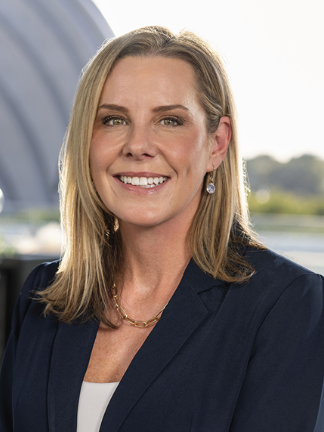 Heidi Kemmer-Roberts, NKC Health
The baby blanket remains in Heidi Kemmer-Roberts’ home, where her daughters use it for their dolls. It began with a runner struck by a car and rushed to the hospital with a life-threatening brain hemorrhage. Immediate surgery stabilized him, but his wife was traveling for work, leaving Kemmer-Roberts to call and explain from a distance that her husband might not survive. The woman came as quickly as possible and stayed at his bedside for weeks as he gradually regained neurologic function, then moved into rehabilitation. He eventually walked and spoke again. Kemmer-Roberts, pregnant with her first daughter at the time, later received the handmade blanket as the family’s thank-you. “That blanket reminds me of his recovery, her kindness, and the privilege of helping their family through those difficult days,” she says. Trauma surgery places her at the point where preparation, technical skill and human presence must function together. Work often begins before the patient arrives, as emergency responders transmit details and a team assembles resources. In the trauma bay, she says, the movement resembles a NASCAR pit crew: defined roles, simultaneous tasks and precise communication. The visible urgency, however, is supported by less visible discipline—repeat assessments, consultations, handoffs and vigilance for small changes that could become large problems. For a patient unable to speak, she also turns to the family to learn who lies beyond the injuries: what matters to that person, what life looked like before the trauma and what the patient would want the team to know. “I try to give them clarity, honesty, and a sense that someone is taking responsibility for their loved one’s care,” she says. That impulse began when Kemmer-Roberts was a young teenager in metro Detroit. While accompanying an aunt to a store, she watched her suffer a severe asthma attack and called 911, overwhelmed by uncertainty. Her aunt survived after intensive care. Several months later, another attack took her life. “Losing her—and remembering how helpless I had felt—had a profound impact on me,” she says. “I wanted to be able to do something when someone’s life was in danger.” Training taught her that not every life can be saved, but it also showed her how physicians can remain present when outcomes are uncertain. Kemmer-Robert’s path to Kansas City ran through medical school in Las Vegas and residency and fellowship back in Detroit. Her husband’s training here gave her repeated chances to experience the city before their careers made relocation possible. Meeting Kansas Citians on days that divide life into before and after, she says, creates a responsibility to the place itself.
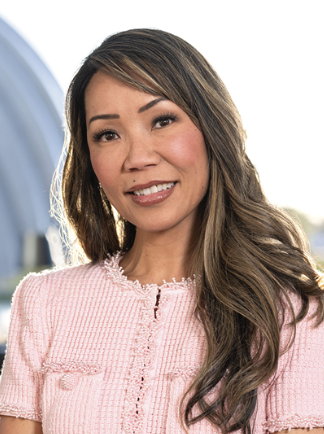 Ruby Meierotto, Saint Luke’s East Hospital
Ruby Meierotto can change a woman’s cancer journey before the patient even knows about the cancer threat. Almost every week, the breast radiologist detects a tiny, early-stage malignancy on a screening mammogram—often a finding subtle enough to demand specialized training, multiple imaging tools and sustained attention to patterns. The patient may never have felt a lump or experienced a symptom. Yet that image can mean less extensive treatment, more options and a greater likelihood of survival. “Those are the moments that remind me why I chose this specialty,” Meierotto says. “Knowing that something I saw on an image may ultimately help save someone’s life is incredibly rewarding.” Radiology suited the way her mind worked. A visual learner, she loved gross anatomy in medical school and discovered during a fourth-year rotation that imaging united anatomy, technology, pattern recognition and problem-solving. Breast imaging was another matter—at least initially. Her University of Kansas residency mentor, Bill Smith, suggested the field, and Meierotto answered: “I don’t want to read mammograms for the rest of my life.” She is thankful he persisted. She found a specialty encompassing 3D mammography, ultrasound, MRI, image-guided biopsy and localization, along with rapidly advancing artificial intelligence. More important, she found patient connection. Breast radiologists do not always remain anonymous readers in a distant room; they can speak directly with women during frightening moments, supplying information, reassurance, hope or simply a calm presence. Medicine had surrounded Meierotto from childhood. Her Filipino parents immigrated to the United States as adults; her father became a radiologist and her mother an intensive-care nurse. Their careers exposed her to both science and care, an influence she recognizes more clearly in retrospect. Her own journey began in Texas, continued through medical school in San Antonio and brought her to Kansas City for residency. During her final year, she met her future husband, then left for a fellowship at the University of Southern California. His proposal brought her back, turning what had been a training stop into a home where career and family have taken root for 18 years. “Medicine isn’t only about diagnosing disease,” she says. “It’s about the people we encounter along the way and the difference we can make in their lives, sometimes in ways we don’t even realize.” Sometimes that difference begins with the smallest mark on an image. For women with dense breast tissue or elevated risk, that expertise may extend beyond a conventional mammogram to annual MRI screening. Meierotto sees the best results coming from the combination of increasingly sophisticated tools and physicians trained to interpret them in context.
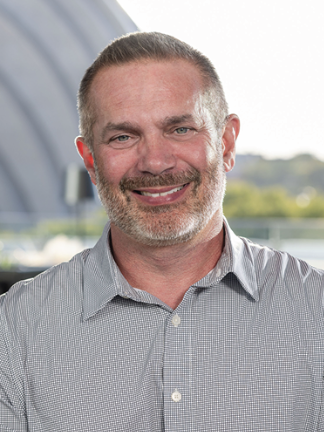 Dustin Miller, Liberty Hospital
Some of the patient decisions Dustin Miller remembers most clearly began with symptoms that did not look like the usual presentation of a serious illness. Cases where something still seemed wrong–but when he pursued testing, the diagnosis that followed proved lifesaving. Those experiences in family practice, he says, have reinforced the value of listening closely and treating the person in front of him as an individual. They also reflect the judgment required in a practice where patients range from a week old to 101. A school physical, a chronic condition and a new symptom that needs urgent attention can all find a place on the schedule. For Miller, the opportunity to know those patients over time is what gives family medicine its particular appeal. “I especially enjoy caring for multiple generations of the same family,” he says. “Those connections make the work deeply rewarding.” A Kansas City native who has spent most of his life in the Northland, he chose to settle near family and friends. Practicing in the community where he grew up adds meaning to the relationships he builds at Liberty Hospital’s Primary Care Shoal Creek office. His interest in medicine took shape without a single defining childhood event. Goal-oriented and drawn to work that required perseverance, he came to regard becoming a physician as the ultimate challenge while still in high school. The intellectual and personal demands appealed to him, along with the prospect of making a difference in people’s lives. His wife, Courtney, helped him recognize where his personality might find its best fit. He enjoyed getting to know people and being someone they could depend on. Family mattered to him, and she saw how much he would value caring for patients and their loved ones at different stages of life. “The opportunity to build that trust over time, often across several generations, has made family medicine the right fit for me,” he says. The breadth of the work keeps him engaged. A normal week includes children’s checkups, adult wellness visits, management of chronic conditions and evaluation of new illnesses, with procedures often added to the mix. Broad medical knowledge must be matched with flexibility and an understanding of when a patient needs a specialist or more immediate care. Staying connected has taken new forms since the pandemic, when virtual visits quickly became part of practice. Telehealth remains useful, Miller says, particularly for patients who might otherwise have trouble accessing care. Whatever the setting, he wants families to understand that good health involves work they undertake together. “My role is to listen, explain their options, and help them make informed decisions,” he says, and patients bring goals, concerns and the realities of daily life to that discussion.
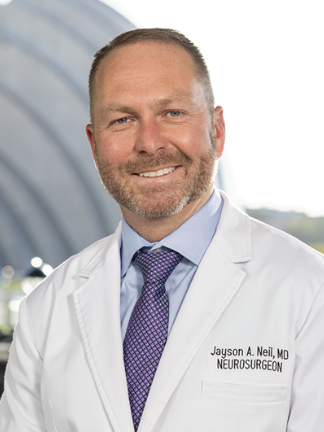 Jayson Neil, AdventHealth
Early in his practice of neurology, Jayson Neil faced a decision that had as much to do with the doctor he wanted to become as the surgery he could perform. A woman’s brain aneurysm had returned after a previous operation. Its location and blood-vessel anatomy made another operation extraordinarily dangerous. Leaving it alone carried a substantial risk of rupture. She wanted someone to try. Neil sought advice from surgeons locally and across the country. Their collective response, he recalls, was that she needed an operation—performed by someone else. Few wanted to take on the complex challenge. Colleagues also warned him about the consequences of a bad outcome so early in his practice, before the hospital knew his abilities. He understood those concerns. He also understood that the patient was the one living with the danger. “And I thought about it for a long time and I just was like, that’s not who I want to be. It’s not the doctor I want to be,” he says. He operated. She did well and would send him a Christmas card every year. That experience remains one of hundreds he can recall when considering why he loves his work as an AdventHealth neurosurgeon. It also reflects the difficult judgments the specialty requires, with risks that cannot be eliminated simply by declining to operate. Those decisions, Neil says, must be made with the patient. “We’ve got to try to get it right as often as possible.” His own introduction to the stakes of brain disease came in childhood. Growing up in a rural area near Pocatello, Idaho, he was close to his maternal grandfather, who died of brain cancer. Neil does not attribute his career choice solely to that loss, but he recognizes its possible influence. “But I was there at the end of his life. In fact, the last words he ever spoke were to me,” he recalls. There were no doctors in his family, and he became its first member to earn a bachelor’s degree. From undergraduate studies at the University of Utah, he went to New York Medical College, drawn by the breadth of medical experience a large metropolitan area could offer. He approached each rotation as a possible career. Neurosurgery proved the most interesting, challenging and rewarding, with opportunities for continued learning and a significant, immediate impact on a patient’s life. His fellowship training encompasses complex spine, cranial and cerebrovascular work. Keeping pace with advances is part of the responsibility, but so is deciding which new tools actually improve care. “But you’ve got to figure out whether the new device is better or just more expensive,” he says. He follows research and relies on colleagues’ experience before adopting techniques, and he recognizes when a case belongs with another subspecialist. The same judgment applies to whether surgery is necessary at all.
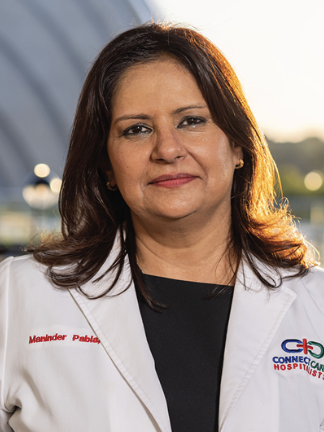 Maninder Pabla, ConnectCare Hospitalists
Medical training prepared Maninder Pabla to care for patients. The business and insurance questions that came with running a practice required another kind of education. As the founder, president and CEO of ConnectCare Hospitalists, she has had to learn the work as she goes, including learning from mistakes. Asked whether medical school should prepare physicians for those responsibilities, she acknowledged the gap when asked if medical schools taught the business aspects: “They don’t, so you just kind of plunge into it and just deal with it and learn it on the go,” she says, “And that’s how it has been.” That ownership experience accompanies a clinical role focused on helping patients through some of the most complex stages of their care. An internal medicine physician, primary care provider and hospitalist, Pabla works across settings where responsibility for a patient’s treatment can pass from one physician or specialty to another. Making those transitions work is central to the practice she leads. Jaswinder Singh of MidAmerica Cancer Care describes her as a “physician navigator,” helping connect inpatient and outpatient care and the different specialists involved. He credits her with building relationships across specialties while leading a women-owned medical business, and points to service beyond the regular demands of practice, including charitable work and medical camps bringing care to underserved rural communities. Those efforts give her work a reach beyond any single hospital or office. ConnectCare’s published approach to hospital care emphasizes the relationship with the physician who already knows the patient. The group describes its inpatient services as an extension of that physician’s care, with communication during hospitalization and a detailed account of findings and treatment plans at discharge. It also coordinates follow-up and services patients may need after returning home. For patients, those are the practical connections between treatment in a hospital and the care that continues afterward. For the physicians involved, this approach provides a way to share responsibility without losing track of the patient’s needs. Pabla’s leadership faced a particularly demanding test during the pandemic. In 2021, the Kansas City Medical Society recognized her with its Exemplary Leadership Award for guiding Connect Care through the challenges of COVID-19 while maintaining care across the eight area hospitals the group served. The honor recognized work that combined medical responsibility with the demands of keeping a physician group functioning through a crisis. Today, Connect Care identifies itself as a local, private, physician-owned practice providing care through a team approach around the clock at hospital locations that include urban, suburban and smaller communities in Missouri and Kansas.
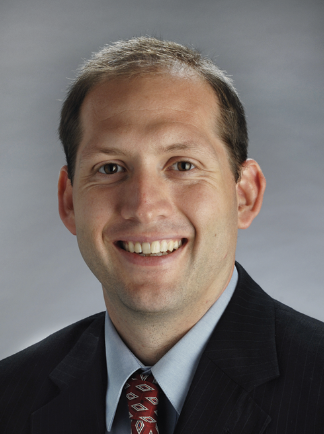 Lewis Satterwhite, The University of Kansas Health System
Lewis Satterwhite does not divide his career into days that mattered and days that did not. “All of the days are worth it,” he says. Progress may be more visible on some than others, but each contains an interaction of value: a critically ill patient recovering, a family finding a path through an outcome they did not want, or a clinic patient discovering that potential treatments offer another option. His week moves between two settings with distinctly different demands. In the intensive-care unit, he draws on a broad command of internal medicine amid rapidly changing conditions. In clinic, he applies specialized knowledge to the care of people living with pulmonary disease, including pulmonary arterial hypertension. The knowledge and skills vary; the obligation does not. In either place, Satterwhite begins by listening for what matters to the patient, then works toward it while remaining “honest and sensitively direct” when the desired outcome is beyond medicine’s reach. That balance—skill, kindness and gravity—first became tangible during his residency at Atlanta’s Grady Hospital. Two attending physicians, Marc Moss and Fernando Holguin, displayed a combination Satterwhite had never encountered. Both went on to distinguished academic careers; he still marvels that he trained under them during the same ICU rotation. Their example helped resolve a professional direction that had unfolded gradually. Satterwhite says he was late deciding on medical school, late choosing internal medicine and late in residency before settling on pulmonary and critical care. The ICU finally pulled the pieces together, allowing him to maintain a pulmonary specialty while drawing on the full breadth of internal medicine training. A family legacy had helped point him toward medicine much earlier. His maternal grandfather, a surgeon, died before Satterwhite was born, but stories about his life carried an influence across generations. Satterwhite grew up in Bristol, Tenn., and met his future wife, Catherine, while both lived in Atlanta—he at Emory, she working at the Centers for Disease Control and Prevention. Her roots in Gardner and extended family nearby helped bring them to Kansas City, where family and profession have kept them. Medicine’s gains, he says, can be startling: pulmonary arterial hypertension had only its first medical therapy three decades ago; Satterwhite now has more than a dozen treatment options to offer. Yet progress has not erased uncertainty. “We, as a community, can offer much more than we could a generation ago,” he says, “but still don’t have answers or options way more often than I would like.” On those days, value may lie not in cure, but in helping a patient or family navigate the challenge.
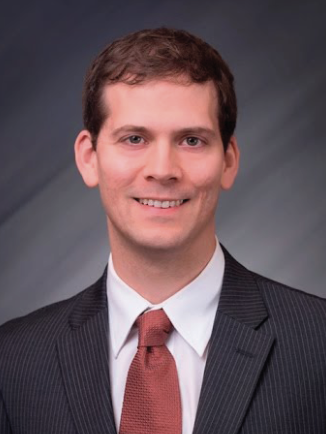 Darcy Shaw, Lee’s Summit Medical Center
A letter to the CEO of Lee’s Summit Medical Center described a change that occurred before the patient’s surgery: “We came in feeling scared, but left feeling hopeful and safe.” The writer credited Darcy Shaw with explaining a complex operation in everyday language, offering the reassurance of someone who felt almost like family. For a surgeon whose patients often arrive with debilitating symptoms or life-threatening disease, that confidence matters. Colorectal surgery carries risks, and understanding the treatment is part of preparing patients for what comes next. “Setting objectives and outcomes together with my patients is essential for establishing trust and ensuring that they feel empowered over their ultimate outcome,” Shaw says. That approach places the patient’s goals alongside the technical demands of the operation. Treating colorectal cancer, inflammatory bowel disease and other conditions can mean helping someone regain the ability to enjoy life without the burden of symptoms that have come to dominate it. Shaw’s measure of success includes that return. “I find it very rewarding to provide patients with a positive result that allows them to regain enjoyment in their lives and be unburdened by medical issues,” he says. Health-system officials say he was Lee’s Summit’s first full-time, dedicated colorectal surgeon when he joined the system nearly a decade ago. Many of the complex cases he treats involve patients from rural communities or those seeking a second opinion. Board-certified in general surgery and colon and rectal surgery, he has helped build a program around the needs of those patients. He spearheaded the formation of a Center of Colorectal Excellence at Lee’s Summit Medical Center and continues as its program director, with an active role in quality improvement. His service as chair of the hospital’s Professional Practice Evaluation Committee extends that responsibility across the medical staff, helping guide standards of care and professional accountability. The work reflects a specialty choice rooted in the range of conditions and treatments colorectal surgery encompasses, a breadth he finds both challenging and intellectually stimulating. His preparation included medical school at the University of Minnesota, general surgery training at Michigan State University, and clinical and research fellowships in colon and rectal surgery at Creighton University. Research remains part of his practice, and his contributions include work on international guidelines for colorectal cancer surgery, a chapter on the surgical treatment of diverticulitis, and research into surgical management of cancers once considered untreatable.
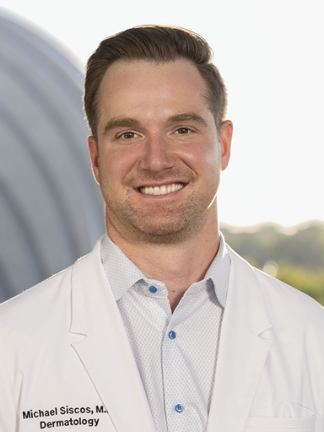 Michael Siscos, University Health / Dermatologic Oncology and Surgery
The young girl Michael Siscos met in Los Angeles had lived with a vascular birthmark on her cheek for as long as she could remember. She wanted it removed, but her parents could not afford treatment. At a free clinic downtown, he was able to help, surgically removing the lesion and using lasers to treat the surrounding skin. What stayed with him was the difference that care made beyond her appearance. “It changed how she saw herself and how she faced the world,” he says. “Being able to use my skills to help people in this way is a privilege.” For the University Health dermatologic surgeon, a patient’s confidence and sense of well-being are part of the result he hopes to achieve. That applies to elective procedures and to reconstruction after skin-cancer surgery, where treatment addresses both the disease and the changes it can leave on a face. The technical demands and artistry of procedural dermatology drew him toward surgical training during his residency at the University of Kansas Medical Center. He went to UCLA for a fellowship encompassing Mohs surgery, reconstructive plastic surgery, laser surgery and cosmetic surgery, learning from surgeons in Beverly Hills and Los Angeles, where they certainly know a few things about the craft. His reasons for returning were closer to home. An Overland Park native, Siscos wanted to be near family and raise children in Kansas City while bringing his training back to serve the community. His parents had helped shape that purpose well before he became the first member of his family to attend medical school. His father, a Greek immigrant, built a career in real estate. His mother, from a small Kansas town, worked in marketing. Both understood the importance of earning trust and caring for the people around them. “Medicine was a way I found to do both,” he says. A medical-school mentor showed him what that responsibility could look like in an especially difficult encounter. During his first month, Siscos watched a neurooncologist explain a diagnosis of glioblastoma to a patient. Despite the grim prognosis, she conveyed the news with compassion and left the patient feeling supported. He wanted to offer that same care. In his own practice, the word “cancer” can interrupt a patient’s ability to absorb anything that follows. He gives people time, then explains the diagnosis and walks them through the procedure and recovery. “I like to sit down and explain everything slowly and clearly,” he says. Treating skin cancer gives him the opportunity to combine the procedural work he enjoys with care he finds deeply meaningful. “In dermatologic oncology, I have the privilege of being able to surgically cure most of my patients of skin cancer, often with a single surgery,” he says.
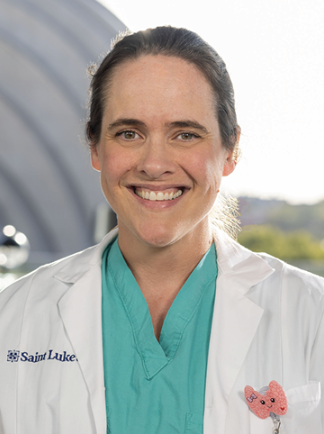 Valerie Wood, BJC/Saint Luke’s Health System
Valerie Wood’s father used to tell people he was a “booger doctor” who also removed earwax. As a child accompanying the Cincinnati ear, nose and throat specialist on his weekend rounds or clinic visits, she had little idea how much knowledge and judgment his playful descriptions concealed. Years later, in medical school at Ohio State, she anticipated a career in infectious disease, perhaps working with patients who had HIV. But that direction shifted after 14 weeks immersed in anatomy and dissection—the latter an activity she shared with her father, who would join students exploring the complexity of the human body while working on a cadaver. Even at those times, she says, he brought the enthusiasm he had always shown for his profession. When Wood told him she wanted to become an ENT, he was elated. He had never pushed her toward his field—in fact, he had encouraged her to explore others—but his example had made the work visible as a life, not merely a job. During Wood’s fifth year of residency, he developed a malignant and eventually fatal brain tumor. “I live every day thinking of him and practicing in his honor,” she says. One part of that legacy appears on paper throughout her practice at Saint Luke’s. Her father understood that most patients, even many physicians, were unfamiliar with the true intricate anatomy of the head and neck, so he developed simple drawings he could reproduce for patients. Wood now uses similar illustrations daily. She sits with patients, sketches the problem, and uses the image to explain why surgery may be complicated, what risks it carries and what alternatives exist. Occasionally, a patient returns years later carrying one of her original drawings; Wood makes a new one to show what has changed. The practice reflects her conviction that, except during an airway emergency, taking time to help the patient understand the challenges should precede treatment. Wood may restore hearing for someone convinced it is disappearing, help a child begin to hear and communicate after ear-tube surgery, or remove a thyroid mass constricting another patient’s breathing. “So much of what we do impacts the way a patient experiences the world: hearing, smelling, breathing,” she says. Wood came to Kansas City for residency at the University of Kansas Medical Center and has now lived here for 15 years, the past decade at Saint Luke’s. The city became the setting in which her father’s influence matured into her own style of practice. She carries forward not only inspiration from his drawings, but also the joy he took in medicine and his refusal to make its complexity inaccessible. A patient may arrive unable to picture what is happening inside the head or neck. Wood’s task is to translate—sometimes with a pencil, sometimes with a hug—until that person can participate fully in what comes next.
PUBLISHED OCTOBER 2026