
HOME | ABOUT US | MEDIA KIT | CONTACT US | INQUIRE
HOME | ABOUT US | MEDIA KIT | CONTACT US | INQUIRE
Large Companies:
Emery Sapp & Sons
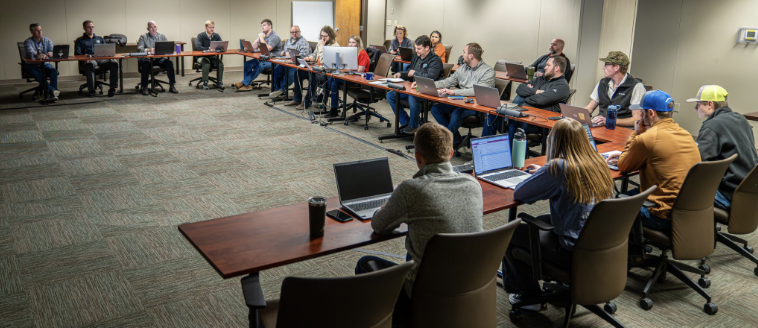 In heavy civil construction, the work is visible long after the crews move on—bridges, highways, and infrastructure that outlast careers. At Emery Sapp & Sons, the workforce that builds those things has an unusual stake in the outcome: the company is 100 percent employee-owned, meaning the people driving the equipment and managing the projects are also the people whose retirement security depends on how well the work gets done. That alignment between personal interest and organizational performance runs through everything the company does. With 1,736 full-time employees and 303 in the Kansas City area, ESS has grown into one of the region’s most significant construction employers, but its leadership philosophy remains notably grounded. Many supervisors, project managers, and executives came up through field roles, making firsthand experience central to how the company operates. “Our leadership is built from the ground up,” the company notes, and that practical understanding helps keep decision-making tied to the realities of the work itself. Core values—people, passion, performance, purpose, and partnership—function as operating principles rather than branding language. Advancement is tied to mentorship and demonstrated competence, while the internship program is designed to provide meaningful exposure from day one, not simply observational work. The company describes its development model as preparing employees “not only for the job they have today, but for the opportunities ahead.” Benefits are structured around the ESOP as the centerpiece, supplemented by comprehensive medical coverage, a 401(k), and flexible spending accounts. Safety reinforcement is also tangible: every employee-owner receives a physical safety coin to carry as a reminder of the company’s commitment to ensuring everyone gets home safely. It’s a small gesture, but one that reflects how seriously the culture treats shared accountability in an industry where mistakes carry lasting consequences. Financially, the company remains in an expansive posture. A strong project backlog and continued investment in fleet and technology upgrades provide stability that translates directly into opportunity for employee-owners. “Our strong backlog and continued expansion create stability and opportunity for our employee-owners,” the company states, emphasizing growth that benefits the workforce because, in this case, the workforce and shareholders are the same people. Community engagement follows that same principle of direct involvement. ESS supports local initiatives and encourages employees to participate, while taking pride in infrastructure designed to serve communities for generations. In a physically demanding industry with constant competition for labor, Emery Sapp & Sons has built something distinctive: a workforce that owns what it builds, in both the literal and figurative sense.
Liberty Hospital
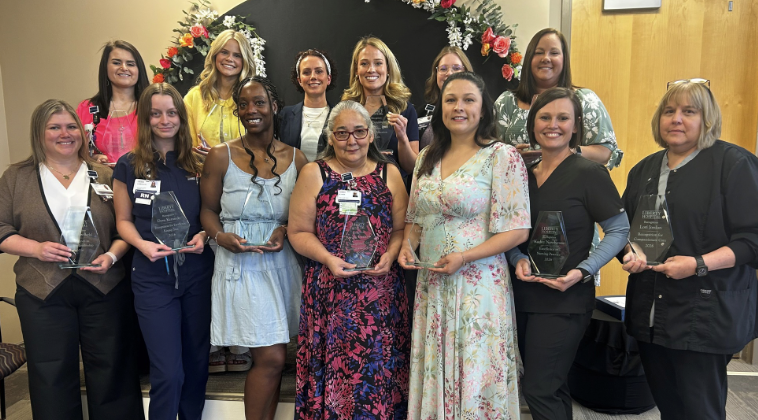 The numbers framing Liberty Hospital’s workforce story are specific enough to matter. Active job applicants increased 35 percent between 2022 and 2024. Among new hires, 95 percent report feeling a sense of belonging, and the candidate rating during the hiring process stands at 4.9 out of 5. These are not aspirational metrics—they are outcomes that reflect an organization focused on attracting and retaining people in one of the most demanding employment environments in any community. Liberty Hospital’s 1,549 full-time and 443 part-time employees work within a leadership model built around explicit cultural expectations. The organization reinforces what it calls “Must Have” attributes—professionalism, gratitude, and engagement—across departments. A unified scorecard tracks patient satisfaction, quality, safety, and employee retention as connected metrics, ensuring workforce health and clinical performance are evaluated together rather than in separate silos. The Gallup Q12 survey drives actionable responses to engagement data, especially in belonging and growth, the categories showing the strongest improvement in recent years. Recognition is structured rather than incidental. The DAISY Award honors nursing excellence in a way the profession takes seriously, while leadership reinforces gratitude and storytelling as ongoing cultural practices intended to build trust through consistent acknowledgment of employees’ work. Development pathways are notably broad for a community hospital. Educational support reaches up to $5,250 annually for higher education and certifications, supplemented by tuition discounts and scholarships. Internship programs extend from high school through graduate level, helping build a long-term talent pipeline. The Emerging Leaders initiative and Professional Governance Council create advancement opportunities for employees preparing for leadership roles, while preceptor and mentoring programs extend that development into everyday clinical practice. Benefits begin within the first month of employment and include health, vision, dental, PTO, retirement, EAP services, HSA matching, and workforce safety programs. The Hughes Family Assistance Fund, administered through the Liberty Hospital Foundation, provides support to employees facing personal crises, acknowledging the financial realities that often accompany healthcare work. Community engagement extends through partnerships with Harvesters, the Liberty Marathon, and Foundation-funded scholarships, connecting the hospital to the Northland well beyond patient care. Integration into The University of Kansas Health System provides additional structural support for growth, expanding clinical capabilities and helping position Liberty Hospital as a leading employer in a region with rising healthcare demands.
NKC Health
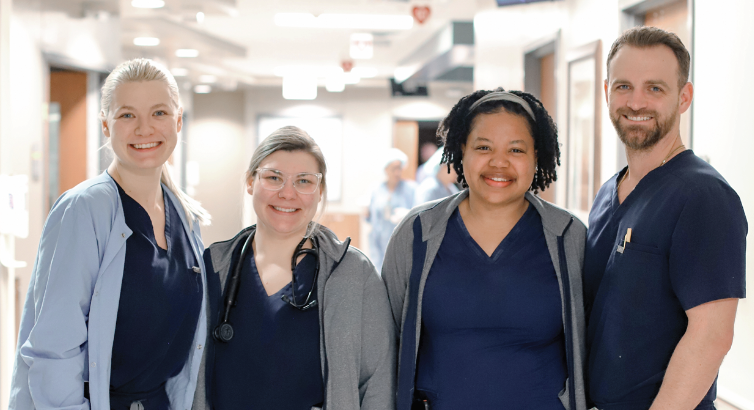 Nearly seven decades into its history, NKC Health has grown from a community hospital into a system of more than 35 locations, with a work force exceeding 4,700 staff—including more than 600 physicians—serving North Kansas City and beyond. The organization has achieved 40 percent growth in net patient service revenue since 2021, while earning recognition from Forbes as one of America’s Best-in-State employers. Those distinctions reflect an institution that has had to keep pace with both clinical demand and work-force expectations—and manage both simultaneously. “Inspired by a culture that is deeply rooted in serving the community and fiercely loyal to its team members, NKC Health is an independent health system with a strong generational connection to the Northland and an undeniable pride in what we accomplish as a team,” says Christina Robertson, VP for Human Resources. That, she says, creates “the values and the compassion that drives us every day.” Leadership engagement operates on multiple levels. Executives conduct regular rounding and monthly “CEO Chat” sessions, while quarterly Town Halls provide organization-wide communication checkpoints. An annual employee opinion survey is designed to drive actionable responses rather than passive feedback collection. Performance reviews have also been redesigned to focus more directly on goal-setting, skill development, and long-term career planning instead of annual compliance exercises. Training and development are structured across career stages. A three-day employee orientation emphasizes customer service, quality, and safety before staff members interact with patients. Medical Assistant and Patient Care Technician programs provide paid, hands-on preparation for healthcare careers, creating practical entry points into higher-paying clinical roles. Tuition reimbursement, educational discounts, and student loan refinancing options reduce barriers to advancement, while career ladder programs and partnerships with area schools extend those opportunities beyond the organization itself. Benefits are notably comprehensive, even by sector standards. On-site child care, covered parking, and lactation rooms help address the logistical realities of health-care schedules. The wellness program includes an online tracking portal, fitness center and pool access, monthly challenges, and complimentary dietitian sessions. A discounted medical plan tier for services at the local children’s hospital and dedicated family-building support reflect an understanding that employees’ lives extend beyond the workplace.
Spencer Fane
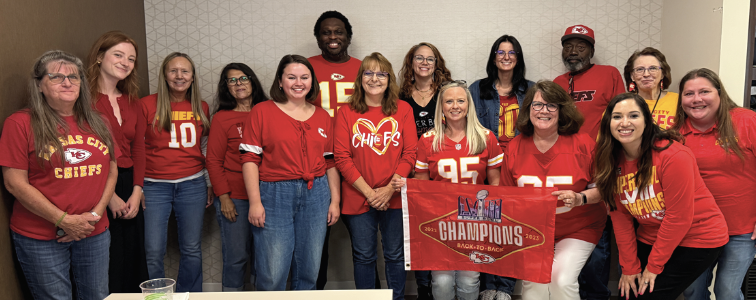 Spencer Fane has approached a longstanding industry challenge with unusual directness: law firms, it argues, have historically undervalued culture. Its response has been to treat culture not as a complement to strategy, but as the strategy itself, grounded in core values of humility, inclusivity, and collaboration. That approach required structural change, moving away from a traditional hierarchical model toward one emphasizing empowerment, collaboration, and accountability. By the firm’s own reporting, the results have been measurable: an attrition rate of approximately 1.7 percent compared with industry norms near 20 percent, and a Net Promoter Score of 88—more than double typical client satisfaction levels. Those figures are presented not as isolated achievements, but as outcomes of a workplace designed to prioritize trust and long-term engagement over short-term production pressure. The firm’s growth trajectory reinforces that argument. Since first appearing on the American Lawyer’s AmLaw 200, Spencer Fane has posted the largest percentage revenue increase of any firm on the ranking over the most recent five-year period, maintaining its status as the fastest-growing firm among its peers. In the past year alone, offices opened in California, Utah, and Washington, D.C., expanding the firm to 33 offices nationwide, with more than 510 attorneys. In Kansas City, 231 of the firm’s 852 full-time employees work under Chair and Managing Partner Patrick Whalen. Recognition has followed that growth: U.S. News & World Report ranked Spencer Fane among the top four best law firms to work for nationally in 2023, while Law360 placed it among the top firms for lawyer satisfaction. The firm also earned a BTI Associate A-Lister designation tied specifically to associates’ workplace experience. Training and development emphasize mentorship and collaborative practice, supported by a Diversity, Equity, and Inclusion Committee that works directly with the Executive Committee and maintains a dedicated budget for mentorship, educational initiatives, and community-building opportunities. Attorneys across the firm participate in nearly 1,000 organizations, contributing time and expertise to causes ranging from legal aid to arts organizations, while structured giving programs extend support to nonprofits in Kansas City and beyond. Financially, Spencer Fane has continued gaining market share while maintaining profitability, reinforcing the firm’s central argument: that rethinking how professionals work together can reshape both workplace culture and business performance.
Terracon
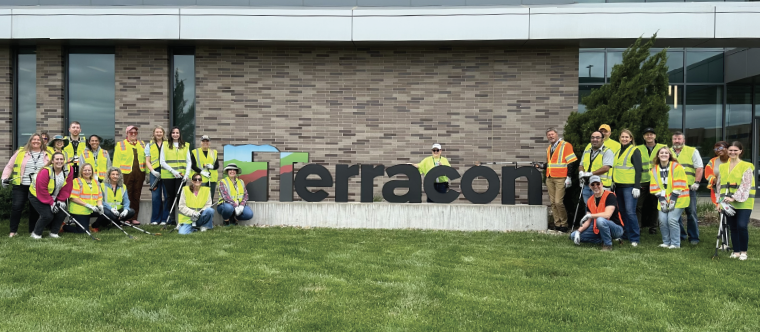 There are employee-owned companies, and then there are companies that build an entire operating philosophy around what ownership means. Terracon, the Olathe-based engineering and consulting firm with 8,000 employees nationwide and 475 locally, has spent decades developing the latter. “As employee-owners, we’re all encouraged to speak up with thoughts, ideas, and concerns because it’s our company!” the organization states, and that ownership model shapes everything from project delivery to employee wellness. The logic is straightforward: when the company succeeds, employees succeed, creating a culture where accountability carries personal investment. Staff members are not simply working for a corporation; they are helping maintain something they own. Career development is supported through internal education programs, reimbursement for external learning, assistance with licensure and certification, and relocation support tied to advancement opportunities. Supervisors work with employees to identify goals and build development plans designed to keep technical talent aligned with evolving market demands. Terracon’s Strategic Plan explicitly connects employee development to priorities involving data tools, expanded consulting capabilities, and scalable growth across its 17 offices nationwide. Mental wellness is treated as part of workplace safety rather than a peripheral benefit. The company provides the Calm app to employees and family members alike, framing emotional well-being as a key component of its broader safety culture. “We view mental and emotional wellbeing not just as a benefit, but as a vital component of our safety culture,” the company notes. Community engagement follows the same structured approach. Through client-supported contributions, the Terracon Foundation has awarded nearly $6 million to organizations focused on education, built and natural environments, and equity initiatives, particularly those developing leadership opportunities in underrepresented communities. Matching contribution programs further amplify employee participation. Terracon describes its culture in three words: Caring. Collaborative. Empowering. What gives those words weight is the infrastructure beneath them. With continued investment in technology, facilities, and workforce growth, the company has worked deliberately to ensure its culture scales alongside the business. For engineering and consulting professionals evaluating where to build a career, Terracon offers a combination that remains relatively rare: the financial upside of ownership, the stability of a large firm, and a culture organized around the people doing the work.
Mid-Size Companies:
Alphapointe
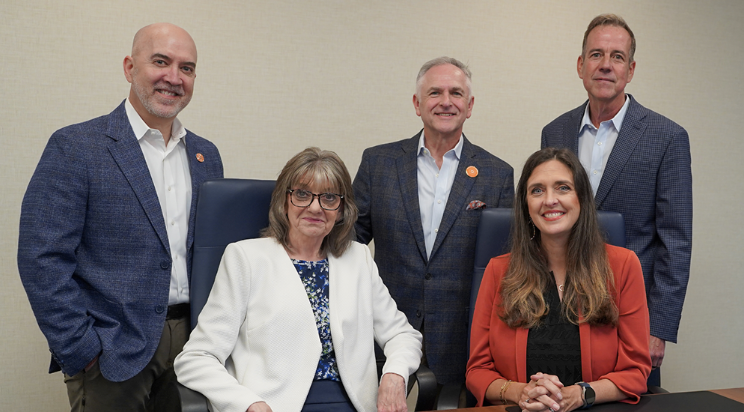 Most organizations talk about mission alignment. Alphapointe lives inside it. The Kansas City nonprofit has spent more than a century serving people who are blind or visually impaired—and its 319 employees, 150 of them local, are not just delivering those services. Many of them are the population being served. That reality shapes the workplace in ways that no HR manual can fully capture. When the organization launched new sewing operations in Kansas City, it wasn’t a revenue diversification play—it was the creation of jobs specifically for people with vision loss, requiring investment in new equipment, specialized training, and the patience to develop skills in workers encountering them for the first time. The same logic drives its Tactical/Medical division, where patented products, including the I-Bandage, Alphapointe Cravat, and Stop the Bleed kit, serve first responders and military personnel while sustaining employment for the people who manufacture them. The organization has invested equally in its Plastics Division with new equipment and targeted training, expanding business lines and employment access simultaneously. A national study conducted by Alphapointe with peer organizations found that unemployment rates for people with vision loss ranged from 50 to 70 percent, depending on the state. Those numbers function as both context and ongoing motivation for the urgency with which the organization approaches every new job it creates—and every existing one it works to protect. Alphapointe’s response has moved beyond employment into comprehensive support. A guided exercise program operates in the company gym, and onsite counseling support is under development—a recognition that employment is only part of what the people the organization serves require to thrive. Its Comprehensive Rehabilitation Services team works with thousands of individuals annually, and the Low Vision Clinic has expanded to include neuro-optometry and vision therapy for people recovering from traumatic brain injury. Seniors navigating vision loss receive in-home strategies and support to maintain independence and dignity on their own terms. Advocacy goes in tandem with service; staffers travel annually to Capitol Hill to support legislation serving people with vision loss, reinforcing policy conversations that directly shape outcomes for its mission. The resulting culture is unusual in a way that’s difficult to manufacture. One client’s observation—“everyone here is so nice”—cuts to the heart of something real. For many of the people Alphapointe serves, it represents a final resource, a place of genuine last recourse.
Block Real Estate Services
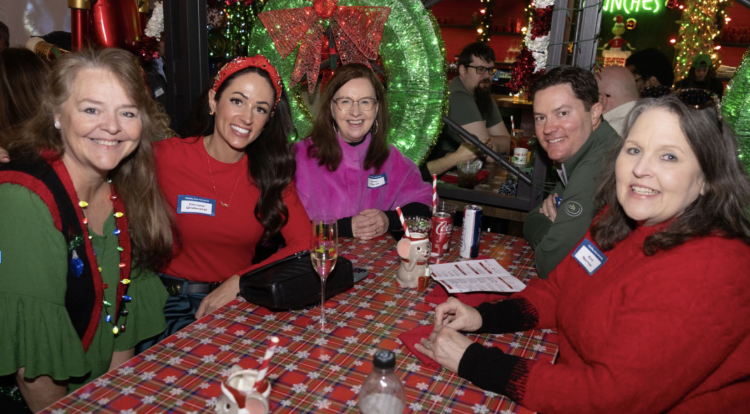 At Block Real Estate Services, workplace culture is treated not as a perk but as the result of deliberate investment. “Our people are our greatest asset, and our culture is built to reflect that through meaningful policies, intentional leadership, and shared values,” the company notes, emphasizing structured growth and measurable engagement over abstract goodwill. That approach is most visible in advancement: during the past year, the company promoted 10 employees, including a new Chief Financial Officer and Accounting Manager, with 80 percent of those promotions going to individuals contributing gender and ethnic diversity in leadership. The emphasis on internal mobility is supported through regular one-on-one meetings and team check-ins designed to align employee development with organizational goals. Managing Principal Ken Block leads a 368-person, entirely local workforce through department heads intended to be accessible and communicative, creating an environment where ideas and feedback move upward without unnecessary barriers. Training extends beyond certifications and formal coursework to include mentorship, stretch assignments, cross-functional exposure, and leadership opportunities tied to real projects. Regular feedback cycles reinforce that development by giving employees both direction and room to expand their roles. Compensation and benefits are designed to be both competitive and practical, including comprehensive health coverage, a 401(k) match, and paid time off featuring eight holidays, a floating holiday, and a paid anniversary day off. Flexible scheduling allows employees to manage personal responsibilities without rigid constraints. The workplace also maintains a distinctly social culture. The company invests more than $50,000 annually in employee engagement through monthly luncheons, company swag, and an annual holiday celebration. Its Country Club Plaza location adds daily advantages, from walkable surroundings to casual team outings, while early closures before long weekends and schedule adjustments during events like Chiefs playoff runs reinforce a culture that treats balance as an operational value. An on-site gym and suite tickets to Chiefs, Sporting KC, KC Current, and Royals games extend that environment further. Financially, BRES continues diversifying its portfolio and expanding services while investing in talent and technology. Community involvement remains specific and local, including a partnership with Faith Hope and Heartstrings Community Foundation that provided $5,000 in care packages and volunteer support, along with a tenant-organized Plaza cleanup at 46 Penn, all of which have created a workplace model grounded equally in structure and engagement.
ECCO Select
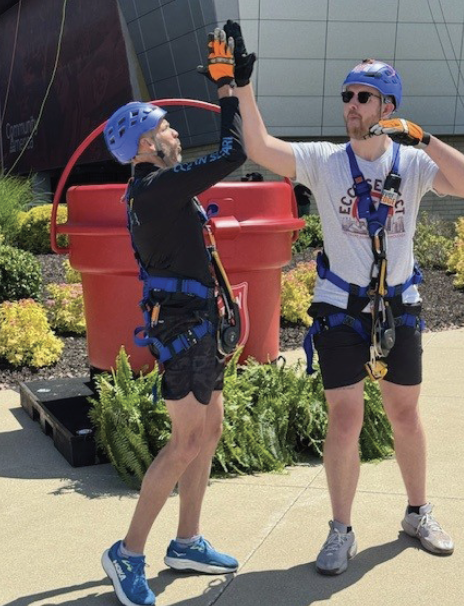 When Jeanette Hernandez Prenger founded ECCO Select in 1995, the internet was still the Wild West, and recruiting meant picking up a phone and meeting someone in person. Thirty years later, the North Kansas City-based IT solutions and talent acquisition firm has grown into one of the top Hispanic-owned businesses in the country, with 325 employees—171 of them local—serving Fortune 1000 companies, federal agencies, and clients across North America from offices in Kansas City, Washington, D.C., and Dallas. The organizational culture Prenger built along the way is inseparable from who she is: someone who, by her own description, was always the person making friends easily and introducing people to each other. ECCO Select’s core values are stated as three directives: We Win, We Care, and We Fight. Each carries operational weight. Winning means providing employees with the resources to succeed professionally and personally, on the premise that individual wins produce company wins. Caring means high-touch service to clients and colleagues alike, reinforced by dedicated delivery teams supporting associates on client engagements, competitive compensation and benefits, and a hybrid work arrangement that reflects how the company’s people actually work best. The North Kansas City headquarters makes a physical statement about that culture: three kitchen and bar areas, an outdoor patio and loft, a gym, an open event space, and a golf simulator—amenities that signal a firm serious about the daily experience of its people. Fighting means discipline, and at ECCO Select, that word has teeth, with multiple ISO and CMMI certifications each year. Training programs cover Crucial Conversations, hostile intruder response, harassment, diversity and inclusion, and information security. Employees hold technical and professional certifications across disciplines, and the company successfully competes for federal contract awards while routinely outperforming industry operational benchmarks. That rigor has produced consistent results: ECCO Select has set revenue records in most years of its history, and current projections indicate the trajectory will continue into the foreseeable future. Community engagement at ECCO Select reflects Prenger’s own civic footprint, which is unusually broad even by Kansas City standards, from the national Latino Coalition to Junior Achievement USA, the Boy Scouts of America, the Harvard Kennedy School Taubman Institute, the American Royal and a host of others. Her employees follow that lead: the team serves on numerous boards, raises substantial funds annually, and logs thousands of hours in active service.
Holmes Murphy
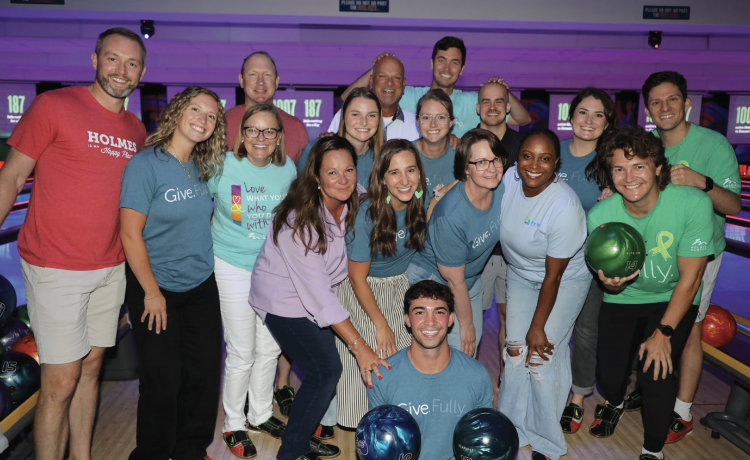 Fourteen consecutive years as the No. 1 large employer in Business Insurance’s “Best Places to Work in Insurance” is the kind of recognition that invites scrutiny. At Holmes Murphy, the Waukee, Iowa-based firm with 65 employees in Kansas City and 1,365 nationwide, the streak holds up because the foundation beneath it is structural, not cosmetic. The company is privately held and employee-owned, creating a form of stability where decisions are made for the long term rather than the next quarter. That ownership model aligns the firm’s success with employees’ financial well-being, reinforced by a culture where transparency and accountability are leadership expectations, not aspirations. Clear advancement pathways and the employee-ownership structure reward high performance and encourage long-term engagement. Career development operates through a series of structured programs that distinguish Holmes Murphy from firms offering more generic growth opportunities. Holmes Murphy University and a signature initiative called Soul provide formal pathways for high-performing employees, with the latter focused specifically on leadership advancement. A dedicated Growth & Development team oversees technical training, continuing education reimbursement, and professional certification support. Emerging technology, including AI, is already integrated into training curricula, signaling a firm preparing employees for future industry demands rather than reacting to them later. Employee Resource Groups and active mentorship structures extend development opportunities across all career stages. Benefits are comprehensive in a sector where comprehensive is expected, but several elements stand out. Flexible time off, a “dress for your day” policy, and wellness initiatives reflect a firm that treats work-life balance as an operational value rather than a recruiting slogan. The Kansas City office is also relocating this summer to Grand Place as an anchor tenant, a significant investment that reflects confidence in the local team and the company’s broader growth trajectory. Community engagement is equally substantial. In 2025, Holmes Murphy employees donated more than 54,000 volunteer hours, supported 473 nonprofits, and contributed nearly $2 million in direct giving. Paid volunteer time off and matching programs make participation accessible, while the Holmes Murphy Foundation extends the company’s reach into organizations important to employees themselves.
Mammoth Sports Construction
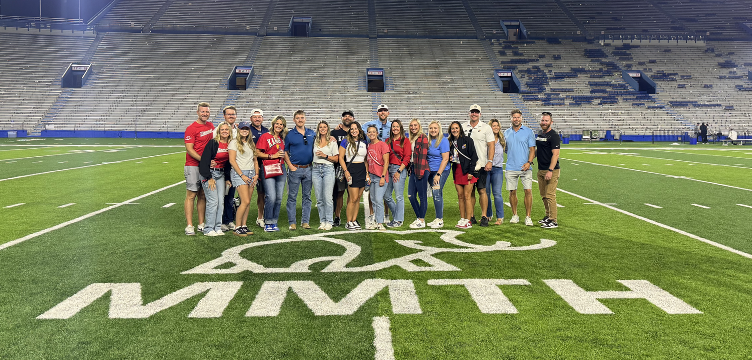 At Mammoth Sports Construction, the workplace language is shaped by competition—not through internal rivalry, but through the mindset employees are expected to bring to their work. The company’s directive, “Do Something Big,” reflects both the scale of its projects and the expectations placed on the people executing them. Operating at the intersection of construction, design, and sports infrastructure, Mammoth emphasizes collaboration across disciplines rather than traditional departmental silos. Construction, engineering, consulting, and creative teams share accountability for outcomes, with employees expected to understand not only their individual roles, but how those roles contribute to broader project goals. Development is supported through the company’s Player Pathway Program, which provides up to $5,000 annually for undergraduate study and $7,500 for graduate programs or certifications, while also supporting GED and high school completion for employees still pursuing foundational education. Mentorship and project-based learning extend that development beyond formal coursework, allowing employees to build skills through real-time experience. Compensation is closely tied to performance through the company’s R.A.D. bonus program, linking individual contributions to overall company success. Benefits include a 401(k) match, disability and life insurance coverage, health savings account contributions, and wellness resources at company headquarters such as a gym, sauna, cold plunge, and access to trainers and nutritionists. The culture reflects the company’s roots in athletics, with many employees bringing team-oriented perspectives from sports backgrounds. That mindset is reinforced through flexible scheduling, seasonal time off, unlimited PTO for eligible staff, and policies encouraging employees to attend family commitments during work hours. Financially, Mammoth continues expanding its national footprint. What began as a landscaping business has evolved into one of the nation’s largest installers of athletic turf, while also growing its consulting and destination-venue operations. Community engagement remains central to the company’s identity through paid volunteer time and support from the Woolly Farms Foundation, which focuses on creating opportunities for individuals with diverse abilities. Mammoth’s projects themselves—sports facilities and community spaces—are designed to foster connection and engagement beyond the workplace. Across its culture, benefits, and development programs, the company reinforces a consistent message: growth is expected, support is available, and impact matters.
Master’s Transportation
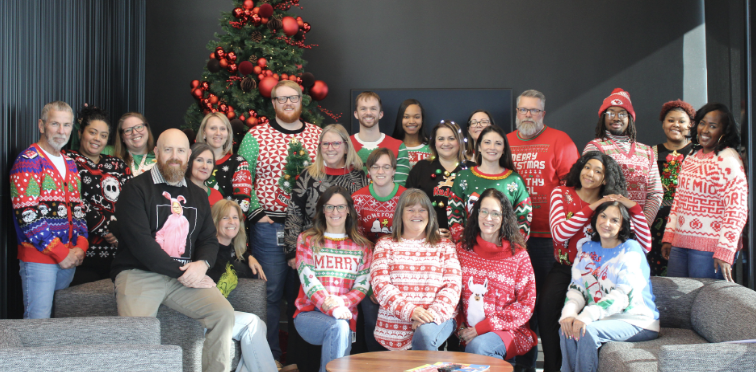 The growth story at Master’s Transportation begins with movement in the most literal sense: buses, vans, and commercial vehicles transporting people where they need to go. But the more important movement inside the company has come through the systems built around employees themselves—creating pathways for advancement, reinforcing accountability, and sustaining a culture that has expanded alongside the company’s national footprint. What began as a regional operation has grown into a national transportation provider serving schools, churches, municipalities, healthcare systems, and commercial clients across the country, yet leadership has worked to ensure expansion does not dilute workplace culture. Central to that effort is the company’s use of the Entrepreneurial Operating System, or EOS, which creates consistency in how teams establish goals, measure progress, and solve problems across departments and locations. Employees are encouraged to identify inefficiencies and contribute ideas, reinforcing a culture where operational improvement is shared rather than management-driven. As the company describes it, the objective is to ensure that “everyone rows in the same direction,” aligning individual responsibilities with broader organizational priorities. That structure supports a workplace built on both autonomy and accountability, reinforced through regular communication, performance discussions, and recognition programs tied to advancement. Training and development remain key priorities, with employees given opportunities to expand skills across operational, technical, and leadership disciplines as the company continues to grow. That expansion has also created greater internal mobility, allowing employees to move into new roles as business lines and geographic reach increase. Compensation and benefits are designed to support retention and stability through comprehensive health coverage, retirement resources, paid time off, wellness initiatives, and flexible scheduling. Continued growth in fleet operations, vehicle sales, and specialty transportation services has strengthened the company’s long-term outlook, giving employees confidence that opportunities will continue growing alongside the business itself. Community involvement remains part of that culture through charitable initiatives and local giving efforts tied to the company’s broader mission of helping organizations move people safely and efficiently. What distinguishes Master’s Transportation is not simply its expansion, but the operational discipline behind it—systems for communication, accountability, training, and advancement designed to scale with the company so culture remains intact as growth continues.
Midway Truck Center
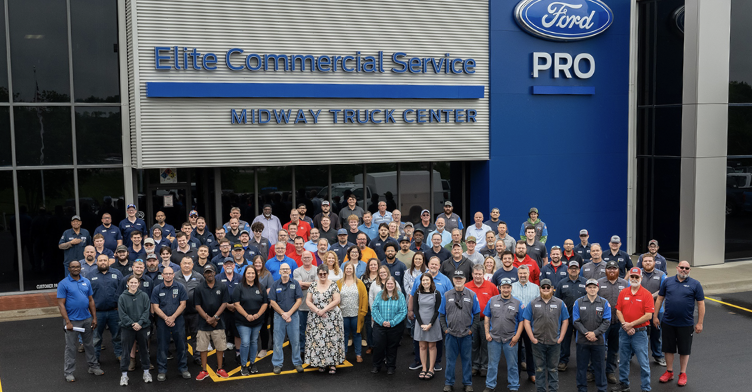 Sixty-five years in business is notable on its own. Sixty-five consecutive profitable years—capped by $951 million in revenue last year and the delivery of more than 12,600 new trucks in 2026 alone—is a different category of accomplishment. Midway Truck Center has achieved both, and the organizational model behind that record is difficult to overlook. In 1982, Midway became the first Ford dealership in the United States to establish an Employee Stock Ownership Plan. Today, the ESOP holds 44 percent of the company’s total common stock, with 25 current managers owning the balance. “Through our Employee Stock Ownership Plan, shared ownership and profitability continue to drive industry-leading employee engagement, fulfillment, and retention,” says Vice President of Human Resources Cynthia Andrews, describing a structure where the connection between employee performance and financial reward is direct rather than symbolic. The results are difficult to dismiss. Nearly half of Midway’s 285-member workforce, spread across five companies, has remained with the organization for at least 10 years, while more than a quarter have surpassed 25 years of service. The company’s Walk of Fame—sidewalk plaques recognizing employees with more than 20 years of tenure—represents a significant share of the staff. In an industry not typically associated with long-term retention, Midway has become a clear outlier, sustaining what CEO/President Trey Meyer calls the “Midway Family” culture across all five entities. Ford Motor Co. has recognized those results repeatedly. Midway has earned the President’s Award for outstanding customer satisfaction 26 consecutive years, 29 overall, and captured every available Ford award in 2025. Leadership attributes that performance to employee-owners empowered to solve customer issues without layers of management approval. Benefits extend beyond the ESOP to include multiple health insurance options, retirement plans, up to four weeks of paid vacation, holiday pay, unlimited accumulating sick pay paid out at retirement, and company traditions ranging from annual picnics and golf tournaments to holiday celebrations for employees’ families. Two new wholly owned subsidiaries are now being developed after employees identified unmet customer needs and leadership acted on those ideas—perhaps the clearest example of what genuine employee ownership can produce: people who think like owners because they are owners.
SpecChem
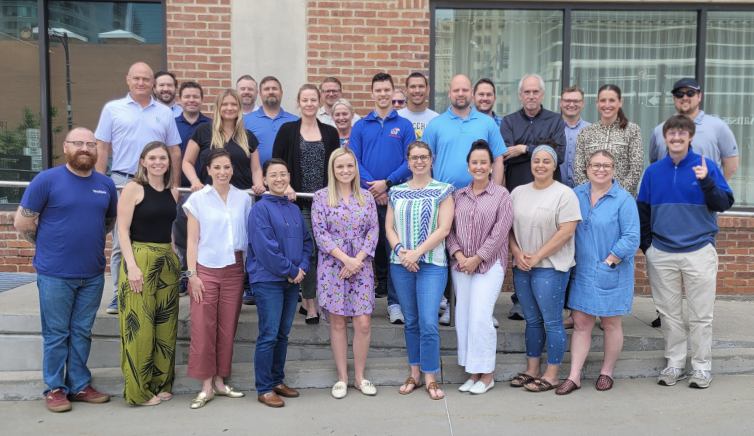 Concrete chemicals are not a glamorous industry. But SpecChem has built something in Kansas City’s Crossroads worth a closer look: a mid-sized manufacturer with six plants across five states, 123 full-time employees—86 of them local—and a culture CEO Greg Maday attributes directly to the people doing the work. The company’s growth has been both recent and substantial. A 2021 acquisition expanded SpecChem from small to mid-size, drove a 51 percent increase in sales, and positioned the company for another 25 percent growth year that followed. That expansion created jobs across operations, sales, customer service, HR, and finance, while ongoing automation and facility upgrades improved the work environment alongside the company’s growth. Leadership operates with an open-door philosophy that extends beyond rhetoric. CEO and President Greg Maday regularly visit plant locations to provide state-of-the-company updates and conduct open Q&A sessions with employees who rarely interact with senior leadership directly. Advancement is measurable rather than aspirational: the National Operations Director, Operations Lead, Purchasing Manager, and Financial Operations Director all began in entry-level roles. Benefits include comprehensive health, dental, vision, and life insurance, with the company covering 70 percent of costs, along with generous PTO, birthday leave, referral bonuses, and merit-based compensation reviews that treat retention as a leadership responsibility rather than simply an HR function. Community giving also follows a distinctive model. At year-end, SpecChem calculates the combined years of service across its workforce, multiplies that number by $1,000, and distributes the funds equally to employees as charitable giving cards designated for organizations of their choice. The program grows alongside employee tenure while placing philanthropic decisions directly in employees’ hands. Company events—including family gatherings, holiday parties, concert and sporting-event tickets, and regular lunches at plants and offices—reinforce a culture built around teamwork. “We focus on teamwork,” the company states, “and work with those who do not like the phrase ‘that’s not my job.’” Across a manufacturing operation spanning five states, that mindset functions as both a cultural principle and an operational necessity.
Small Companies:
Acendas Travel
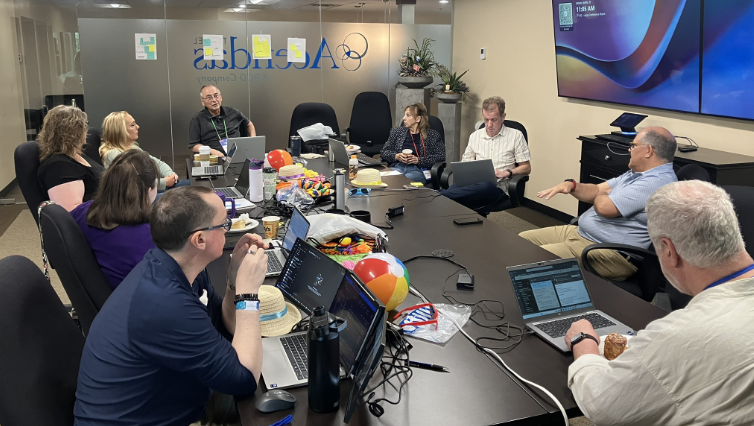 Acendas Travel turned 43 this year, and with the exception of 2020—when the pandemic effectively shut down the travel industry—the company has grown revenue every year since its founding. That consistency shapes everything else: the ability to invest in employees, strengthen benefits, weather industry turbulence, and build a culture that retains talent. Drawing from Jim Collins’ “hedgehog concept” in Good to Great, Acendas maintains a disciplined focus on long-term client relationships rather than short-term revenue maximization. The result is a 98 percent client retention rate and the stable revenue base that has allowed the company to navigate disruptions large and small. The pandemic provided a significant test. When COVID forced Acendas to shift from an office-based operation to a workforce that is now 90 percent remote, the company adapted without service interruptions or customer losses. The transition also expanded recruiting opportunities nationwide, prompting new investment in benefits. “In January 2026, benefits were significantly improved to help the company compete for talent, not only in Kansas City, but nationwide,” says Director of Marketing Jeff Bollig, citing increased PTO, higher company health-insurance contributions, and larger referral stipends. A Net Promoter Score of 86 reflects the client relationships underpinning the model. Managing a cohesive remote workforce remains an operational challenge, and Acendas has built systems to address it through Team Acendas, which organizes monthly virtual activities ranging from happy hours and bingo to recipe exchanges and themed events designed to reinforce camaraderie across distances. Associates also participate in conferences and ongoing training to keep pace with an industry that has changed dramatically in recent years, while upward mobility within the company is described as common. Financially, Acendas is positioned for record revenues in 2026 despite headwinds tied to tariffs and global instability, driven by increased sales and marketing investment, technology adoption, and that unusually strong client retention rate. Community engagement is equally embedded in the culture. As a corporate partner and former board participant with Big Brothers Big Sisters, the company combines organizational support with employee-led fundraising efforts backed by company matching. Staff members are encouraged to participate in volunteer and philanthropic activities without using vacation time, reinforcing the company’s view that community involvement is part of the work, not separate from it.
PMA Engineering
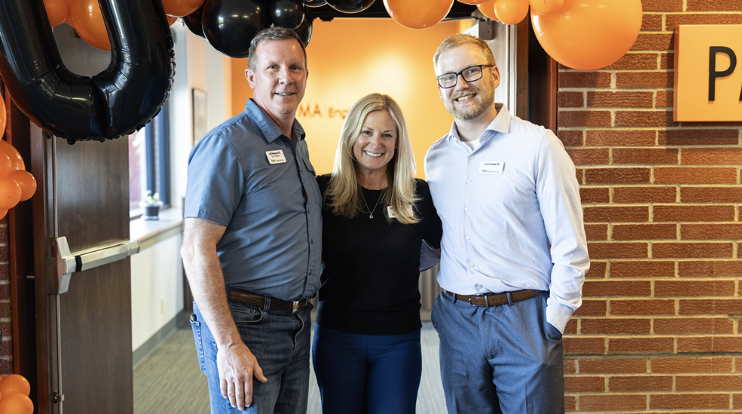 PMA Engineering is small by design. And therein lies a lesson for any small business: Lack of mega scale does not mean dearth of benefits, culture or employee engagement. With 18 full-time employees, all local, the Overland Park firm has deliberately built a workplace where relationships between colleagues are not incidental to the work—they are the work environment. “We hire employees for long-term careers, not just individual projects,” President Erin Rosenthal has stated as a guiding principle, and the structures the company has built reflect that commitment throughout the organization. Promotion from within is not aspirational language at PMA—it is operational practice, supported by continuing education, professional licensing assistance, and tuition reimbursement designed to remove barriers to advancement. Mentorship and hands-on project experience give early-career engineers exposure well beyond their immediate assignments, helping build the technical depth a firm this size depends on over time. Benefits are unusually comprehensive for an 18-person company, including medical, dental, and vision coverage; disability and life insurance; paid maternity and paternity leave; profit sharing; annual bonuses; charitable contribution matching; and a 3 percent 401(k) match. Flexible work arrangements and what the company describes as a relaxed environment reflect an organization that has carefully considered what work-life integration requires in practice. The firm’s social fabric is also actively maintained through company breakfasts, lunches, weekly happy hours, birthday celebrations, and outings ranging from pickleball and golf to baseball games and axe throwing. These are not perks attached to a transactional workplace, but extensions of a culture where employees genuinely choose to spend time together. PMA added four employees and two summer interns in the past year—a notable growth rate for a firm of its size and a signal of continued momentum. Community involvement reflects the company’s engineering identity through support for programs such as Introduce a Girl to Engineering Day, the ACE Mentoring Program, KC STEM Alliance, Society of Women Engineers, Project Lead the Way, and Blue Valley CAPS, all focused on strengthening the future pipeline of engineers. The firm also participates in the Red Bags KC initiative, purchasing and wrapping gifts for families in need during the holidays. In a sector where larger firms compete through scale and name recognition, PMA Engineering offers a different argument: that strong relationships, meaningful development, and clarity about the path forward can matter just as much as size.
Searcy Financial Services
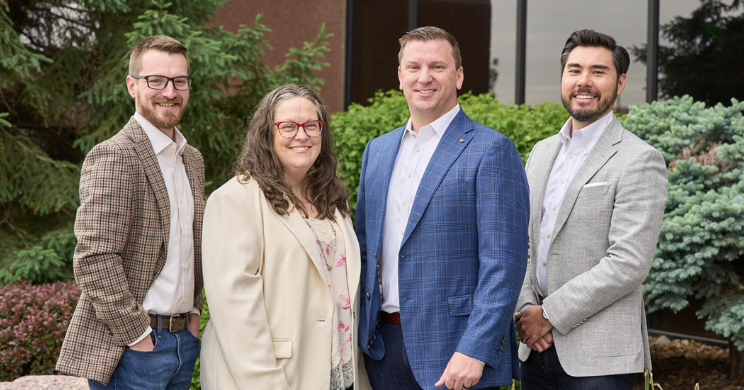 Searcy Financial Services operates on a scale that makes every cultural decision consequential. With 11 full-time and three part-time employees—four of them local—there is no organizational distance between stated values and daily experience. Either the culture works in practice, or it doesn’t work at all. The firm has built its internal framework around six explicit core values: Exceed Expectations, Pursue Work-Life Harmony, Personal Growth, Seek Financial Freedom, Fiduciary First, and Protect Our Brand. These are not decorative—they are embedded in how performance is evaluated, how advancement is structured, and how employees are expected to interact with clients and each other. “This is written and clear,” the firm states about its merit-based advancement structure, signaling that the path forward is documented rather than implied—a meaningful distinction in a firm where everyone knows everyone and ambiguity has nowhere to hide. Leadership is grounded in transparency and shared purpose. Employees understand how their roles connect to the firm’s broader vision, and performance is evaluated on both results and alignment with the firm’s values. Advancement is tied directly to individual growth, initiative, and demonstrated leadership—a structure that President and CEO Jessica Searcy Kmetty has framed as creating meaningful, long-term careers rather than positions that happen to last a while. Development is continuous and specifically incentivized. The firm supports continuing education, professional designations, and ongoing skill-building—provided or reimbursed upon proposal and agreement. A shared internal library focused on leadership, finance, and personal development reinforces a culture where learning is expected, not optional. Notably, development is also tied to a percentage of the bonus structure, creating a direct financial link between learning and compensation that goes well beyond moral encouragement—it puts real money behind the commitment. The compensation philosophy centers on fairness, performance, and long-term financial well-being. Salaries are reviewed annually, with increases based on individual contribution. Incentive bonuses are tied to both firm success and personal achievement. The 401(k) includes a 100 percent match on deferrals up to 3 percent of compensation, and 50 percent on deferrals between 3 and 5 percent—a match structure that reflects a financial planning firm applying its own professional judgment to its employees’ futures. A monthly health allowance supports individual coverage needs, and access to discounted insurance through professional affiliations extends the benefit further. The firm’s most valued benefit? Flexibility. An unrestricted PTO policy, flex scheduling, and the ability to integrate personal and professional responsibilities are positioned not as perks but as operating conditions—the practical expression of “Work-Life Harmony” as a lived value, not a slogan.
Sifted
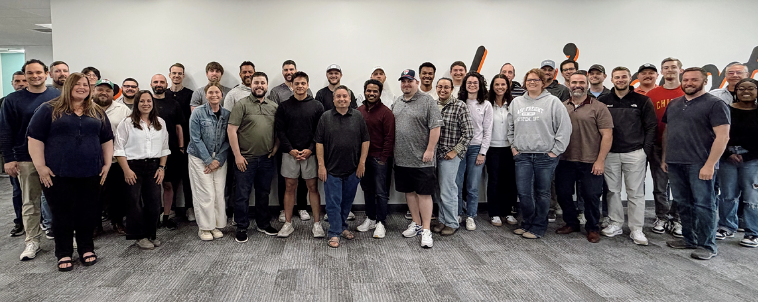 In an era when workplace culture is often reduced to slogans and surface-level perks, Sifted has taken a more disciplined route: build the systems first, then let culture follow. The result is not simply a workplace people enjoy, but one designed with intentional clarity about how employees grow, contribute, and are rewarded along the way. At its core, Sifted operates with a level of organizational transparency more often found in much larger enterprises. Roles, expectations, and advancement pathways are documented, communicated, and reinforced through formal evaluation processes, ensuring employees understand what success looks like and how to achieve it. That clarity is reinforced by structure—an employee handbook, code of conduct, and defined performance standards—that signals a company serious about both accountability and fairness. Growth at Sifted is operational rather than aspirational. Training is embedded into the business model through compliance programs and more advanced, role-specific development tracks. Sales and product teams participate in structured certification programs that include hands-on practice, feedback loops, and measurable outcomes. Annual performance reviews are designed as checkpoints in an ongoing development cycle, helping employees progress in ways that align with both personal goals and company strategy. Compensation and benefits reinforce the same philosophy. The company’s unlimited PTO framework is built less around novelty than trust, paired with a broader commitment to work-life balance supported through a strong HR infrastructure. Competitive recruiting incentives and a thoughtful benefits platform reflect an understanding that attracting and retaining talent requires both immediate and long-term investment. What ultimately distinguishes Sifted is how those systems translate into daily experience. The company describes itself as collaborative and family-oriented, and the structure supporting those claims gives them credibility. Onboarding, internal communication, and leadership messaging consistently reinforce shared values around collaboration, focus, and community that shape not only how work gets done, but how employees interact. All of that rests on a business with clear forward momentum. With a product roadmap that includes the planned launch of SiftedAI Copilot and a strategy grounded in disciplined growth, the company is scaling with intention. That trajectory matters because it supports the advancement, development, and stability promised to employees. Community engagement, while less formalized, remains woven into the culture through employee-led giving efforts supported by leadership. Taken together, Sifted offers a model increasingly rare among smaller firms: a workplace where culture is not left to chance, but intentionally engineered through systems designed to make growth visible, attainable, and sustainable.
StructSure Projects
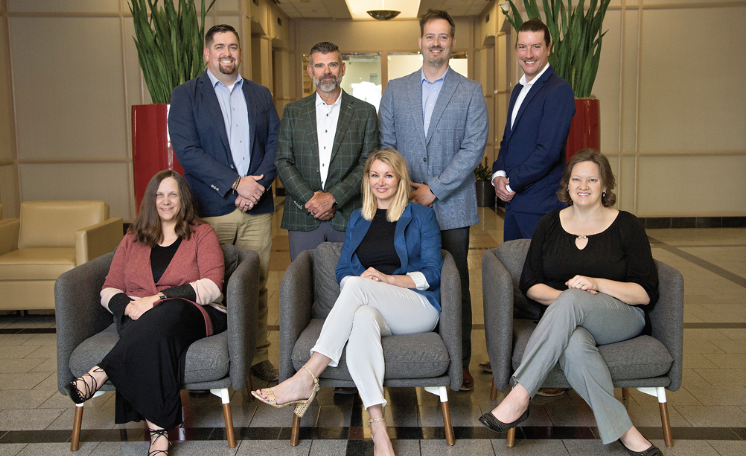 StructSure Projects is on a growth trajectory that the numbers make difficult to ignore: more than 15 new hires since the beginning of 2026, a recently expanded office, and a fully developed team across marketing, business development, and project development. For a Kansas City-based general contractor with 98 full-time employees, that represents more than routine hiring—it reflects a company actively building the infrastructure for its next phase of growth. The internal development story mirrors that expansion. Several local project engineers have advanced into project manager roles, reflecting a promotion model tied to meaningful advancement rather than title inflation. Training is funded entirely by the company, including OSHA certification, Quality Control Manager instruction, and first-aid programs, while additional development opportunities are designed specifically to support promotion from within rather than relying on outside hires. StructSure also participates in military transition programs, bringing on interns moving from military service into civilian careers; two employees have already emerged from that pipeline as what the company describes as “valuable team players.” Benefits include participation in an insurance captive that reduces premium costs and volatility for employees and families, along with a $50 monthly contribution to employee HSAs and a 401(k) match of 50 cents on the dollar for the first 4 percent of salary contributed each pay period. Flexible hours and hybrid work arrangements reinforce what Marketing Director Bailey Ramaekers describes as a “Families first” culture. Social outings ranging from Royals games and pickleball to bowling and arcade events help build relationships outside project settings, while larger company-funded off-sites—including trips to Banff and Cincinnati—are designed to strengthen camaraderie away from the workplace. Community involvement remains equally active. In 2026, StructSure served as the top sponsor for Treads & Threads, participated in fundraising events for Liberty Hospital and The University of Kansas Health System, supported food drives for Catholic Charities and Harvesters, and organized donations through Uplift for individuals experiencing homelessness. For a company at this stage of expansion, StructSure is building the kind of culture that compounds over time—where the employees hired today become the mentors shaping the experience for those who follow.