
HOME | ABOUT US | MEDIA KIT | CONTACT US | INQUIRE
HOME | ABOUT US | MEDIA KIT | CONTACT US | INQUIRE
This senior executive for the region’s biggest foundation assesses trends in philanthropy, from giving levels and donor strategies to family dynamics and the impact of Baby Boomer retirements.
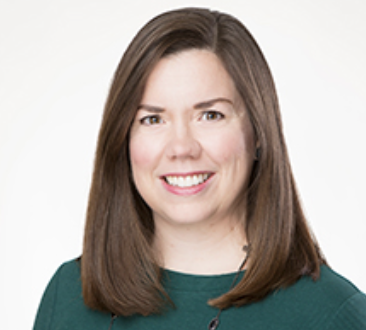 Q: So: Year-end philanthropy activities have you all busy?
A: We are. It’s a great busy though. This is our favorite time of year. Everyone is giving and that’s what we want to see. There are some incentives to make gifts before year-end, especially with some of the tax law changes. But we always have a very busy fourth quarter and especially a busy December. So we’ll be here until Dec. 31 receiving gifts, sending grants and helping people to set up donor-advised funds as a vehicle for their philanthropy.
Q: Well, then, let’s start with charitable gift planning by Baby Boomers especially, where the wealth is concentrated. Seeing any shifts there in strategies, volumes, timing, etc.?
A: Absolutely. One trend we’re seeing is also a best practice that we encourage. It is the timeline of one’s giving, determining how long after their lifetime they want to continue giving. The world has changed a lot in the last decade, and we know changes will come faster in the future, so it’s hard to make any predictions that cross decades. In the past, when we discussed legacy planning with donors, they would often talk about wanting to give in perpetuity, which essentially means forever. That’s really a long time and requires an endowment that would distribute 4 percent or 5 percent each year. But now, more donors want a shorter time horizon for their giving to focus on making greater impact in areas they know and understand, maybe 5, 10 or 20 years after their death.
Q: How does that play out?
A: It’s possible that someone’s plans could be irrelevant, for example, if they’re supporting one specific program at a charity. But we’re suggesting that donors think less about one program and instead build trust with the charity and provide general operating support. Let their leaders who know the community best determine the best use of your dollars. Needs will continue to evolve, and unexpected changes mean there are great needs that charities want to address immediately. This has led some donors who had been thinking about a bequest, which is a gift that takes place after their death, to reconsider that plan. Instead, we’re seeing donors become more involved with the charities during their lifetime, supporting those charities with grants now, and then giving additional dollars within a set number of years after they pass.
Q: What about the more traditional donor models?
A: There are still some donors who will set things up to last in perpetuity, and our role is really to ensure donor intent, whatever that time horizon is. We do know that sometimes sending a large amount all at once could present other challenges to a charity. So, they can give using an endowed model, or they can be strategic over a 10- or a 20-year period to allow those organizations and leaders serving our community to be able to have the greatest flexibility to address needs today and in the years to come.
Q: How are family dynamics playing into that?
A: Beyond time horizon discussions, donors talk to us about how they want their children and grandchildren to carry on their family’s tradition of giving. They acknowledge that their future generations may have different ideas of what their charitable priorities look like, so we’re seeing more donors offer flexibility there, too. So, in many cases, the first generation’s legacy plan leaves some dollars for their children or grandchildren to direct to charities, but they also make plans that the Community Foundation will carry out to provide ongoing support to their chosen causes.
Q: For those perpetuity-minded donors, what happens after they’re gone and their favored charity just…goes away?
A: It’s a great point. And it is something that we address through conversations with donors. It’s possible an organization goes away or significantly changes what their area of focus is. Again, our role at the Community Foundation is to oversee what the donor intended. So, we will build in contingency plans with the donor asking, “If this charity is no longer providing these services, would you like us to find another organization that is addressing those same needs?”
Q: We’ve heard over the years, from donors, that they want to know their contributions are moving the needle on a cause, rather than going to operating costs. Is that an issue?
A: This is a conversation we have with donors regularly. And certainly there are some donors who prefer to support very specific needs within an organization. But there is a myth around overhead, that it must be as low as possible. But logic tells us that organizations need to be able to pay competitive salaries to recruit and retain talented employees. They need to cover the cost of building maintenance. They need to have efficient tools and technology to be able to serve their clients. It is always helpful when a donor can talk directly with the organization’s leadership who can explain this. Without paid staff, non-profits can’t run their programs. They need to have experts who can lead teams who provide their services, and that requires salaries, benefits, offices, computers and more, which are all operating costs.
Q: Back to the family aspect for a moment. How are younger generations approaching these topics?
A: Some of our best opportunities working with families come when we can have multiple generations sit around the table together to discuss their giving. It’s so important for older generations to be able to share information and stories about the charities they support, so younger generations understand on a deeper level why they’re important to their mom, dad or grandparents. We also encourage younger generations to share their experiences or desires related to philanthropy. And we do find that sometimes there are differences. But there are also always commonalities. For example, you may see data showing that certain older demographics prefer supporting larger established institutions, and younger demographics prefer supporting more grassroots or community-based organizations. But we’ll find that when we can get an immediate or extended family together to talk about their charitable interests, in most cases, there’s an alignment around values. So, while they may be approaching issues slightly differently, there’s common ground when we get to the motivating values. If we’re trying to work out how a family can have an impact together, we ask “what is that legacy that you want to leave behind?” If we can get them to zoom out from specific issues and think about continuity across their driving values, prioritizing support for a community or communities, we’ll see more engagement across the board.
Q: A lot of foundations and funds are coming on-line. What impact has that had on your ability to serve an expanding donor base?
A: The most common giving vehicle we help donors establish is the donor-advised fund. The Annual DAF Report from the Donor-Advised Fund Research Collaborative was recently released with 2024 data, and they reported that there are now more than 3.5 million donor-advised fund accounts in the U.S. This is an 18 percent increase over 2023. More accounts, or funds, as we call them, means more incoming contributions, more grants to charities, and more assets that are invested and growing those charitable dollars beyond the donors’ initial contributions. We are definitely seeing that growth at the Community Foundation, both from donors here in Kansas City but also from donors across the country who seek out our expertise and services. They’re asking us for help with unique assets they want to use to contribute to their funds. This could include private business interests, cryptocurrency or private equity, which we know how to do, but they take more time and effort than a public stock transfer, so we’re adding staff with expertise on that side of our business. We’re also hearing from more and more donors who want assistance developing their philanthropic strategy, as I mentioned previously in our work with families. We are adding more staff on that side as well to ensure that we can remain responsive to donors’ needs.
Q: Are you finding the talent pipeline for this type of work is full enough?
A: We are certainly seeing a lot of talent and interest come our way. As an example, our philanthropic advisor role requires someone who can help a donor to articulate their strategy, but more importantly, help make connections with organizations in a community that might fit within their area of interest. My favorite days are when we’re able to join a donor on a site visit at a charity they’re interested in getting to know. And when that donor feels they’ve found an organization that’s addressing the needs they care about and they can meet and learn from the people doing the work, it’s a real ah-ha moment. It’s the best thing, because they’ve made a connection and can feel great about supporting that organization. But not every donor needs this kind of help from us. Most of our donors are already doing this on their own. Instead, they’re relying on our operations and accounting staff to make sure their dollars are invested and their grants are processed quickly, so they can get money to charities they know need it.
Q: What kinds of skill sets do advisors need to bring?
A: The key is relationship building. They need a solid relationship with a donor to help them to articulate and document their intent and goals for their giving. That also includes being a good listener and paying attention to the many details that are important to donors. I would also add curiosity and being a lifelong learner. One of my great joys is being able to learn alongside our donors and go deep into areas that I would never have imagined I would know about.
Q: As more Boomers retire and sell their companies, are you seeing large-scale donations right away, or are people giving on longer time lines?
A: One of the benefits of a donor-advised fund is having a place for a large contribution when there’s a significant life event. Maybe it’s their highest income-producing year, or maybe they received an inheritance or sold a business. With a donor-advised fund, they can keep the timing of the tax-deductible contribution separate from the grants to the non-profits they care about. The separation helps them to be more strategic with their grants. They can take the time to think about how and where they want to make an impact. Maybe they want to put their name on a building, but maybe they don’t. Maybe they just want to support causes that they deeply care about privately, and recognition is not a motivator. And while they’re making those decisions, the assets the contributed to the donor-advised fund are hopefully growing in the stock market, so ultimately that means greater amounts that are going to non-profits.
PUBLISHED DECEMBER 2025